
Introduction to Slow Roast Leg of Lamb
Slow roasting a leg of lamb is a culinary delight that transforms a simple cut of meat into an unforgettable meal. This method enhances tenderness, allowing flavors to meld beautifully over an extended cooking period. The low and slow approach not only ensures that the meat remains juicy and succulent but also gives the fats time to render down, enriching the overall taste.
Why Choose Slow Roasting for Lamb?
Choosing to slow roast leg of lamb allows you to take advantage of the natural marbling found in lamb. When cooked for a longer time at a low temperature, the collagen in the meat breaks down, resulting in a tender texture that practically melts in your mouth. Plus, the addition of aromatic herbs like rosemary and garlic, along with a flavorful broth, infuses the dish with depth that quick cooking methods simply can't achieve.
If you're short on time, keep in mind that a slow roast is somewhat forgiving. It gives you the chance to prepare side dishes or enjoy a glass of your favorite non-alcoholic beverage while the lamb cooks. So roll up your sleeves, set the oven, and get ready to impress with a slow roast leg of lamb that’s not only simple to prepare but also a feast for the senses!
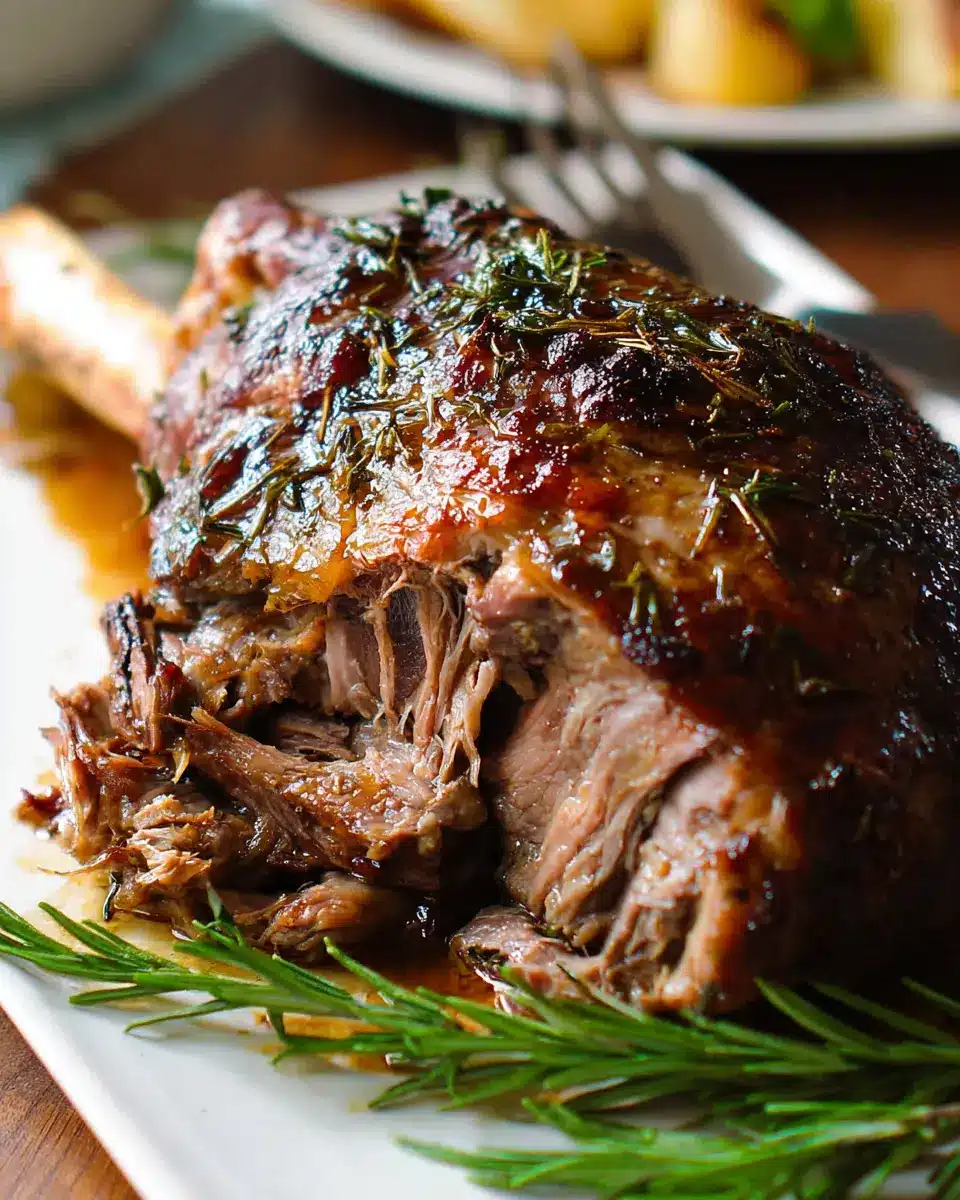
Ingredients for Slow Roast Leg of Lamb
Essential ingredients for a flavorful dish
Creating a delicious slow roast leg of lamb starts with a few key ingredients that promise to deliver rich flavors. You’ll need:
- 2.25 kg (4.5 lb) leg of lamb, bone-in, for that succulent meat
- Salt and pepper to enhance the natural flavors
- 1.5 tablespoon olive oil for a golden, crispy finish
- A whole garlic head, which infuses lovely aroma and robust flavor
- 1 onion, quartered, to add sweetness during roasting
- 2 sprigs of fresh rosemary for an aromatic touch
- 3 cups beef stock (low sodium) to keep the meat juicy
These basics set the stage for a mouthwatering dish, but there’s always room for a little creativity!
Optional additions to enhance the flavor
Feel free to jazz up your slow roast leg of lamb with optional ingredients like:
- Additional herbs like thyme or oregano for varying complexity
- Vegetables such as carrots or potatoes to roast alongside for a complete meal
- A splash of red wine vinegar or citrus juice for brightness
- Some spices like cumin or coriander, adding an exotic twist
Incorporating some of these optional ingredients can elevate your dish to a new level of flavor. Experimenting with them can lead to some exciting discoveries! For more inspiration, check out this roast lamb flavor guide.
Preparing Slow Roast Leg of Lamb
Creating a tender and flavorful slow roast leg of lamb in your kitchen can transform any dinner into a special occasion. Follow these straightforward steps to ensure that your roast comes out succulent, aromatic, and well worth the wait.
Preheat the oven
Begin your culinary adventure by preheating your oven to 170°C (335°F). It’s essential to ensure your oven reaches the right temperature before you pop in that leg of lamb so that it cooks evenly throughout. Preheating not only helps with cooking time but also improves the overall flavor and texture of the meat.
Prepare the lamb leg
Take your 2.25 kg (4.5 lb) leg of lamb and place it in a metal roasting pan, bone side down. This position helps the meat to retain its juices as it roasts. Keeping the meat side up allows for a beautifully roasted exterior that will be packed with flavor.
Season the lamb
Generously sprinkle salt and pepper over the lamb, rubbing it in well to ensure that every bite is bursting with flavor. Don’t hold back! Seasoning truly makes a difference and elevates the taste of your slow roast leg of lamb. After that, flip the lamb over so that it sits on the garlic and onion you plan to use as your aromatics.
Arrange aromatics in the roasting pan
You can use simple aromatics like unpeeled garlic heads, quartered onions, and fresh rosemary sprigs to enhance the flavor of your roast. Place these in the roasting pan — they’ll release delicious aromas and flavors during the cooking process.
Add liquids and cover
Drizzle some olive oil over the lamb, followed by 3 cups of low-sodium beef stock and 2 cups of water. This liquid will keep the lamb moist. Cover the pan with foil, allowing a bit of steam to escape, which is perfect for slow cooking.
Slow roast the lamb
Now, it's time for the magic to happen. Place the covered lamb in your preheated oven and let it slowly roast for about 4.5 hours. The low and slow method is essential here, allowing the meat to become tender and infused with flavor. Check the cooking time based on the exact weight of your meat.
Check for tenderness
About 30 minutes before the roasting time is up, carefully remove the foil and check the meat’s tenderness. If you can easily pry a bit off with a fork, you’re good to go! If not, cover it and let it cook a bit longer.
Brown the lamb before serving
To achieve that gorgeous golden-brown crust, return the uncovered lamb to the oven for an additional 45 minutes. The high heat at this stage will help caramelize the exterior beautifully.
Rest the lamb
Once done, remove the lamb from the oven and let it rest for at least 15-20 minutes. This time allows the juices to redistribute, making for an incredibly juicy roast. Cover it loosely with foil while you whip up a quick gravy.
Follow these steps, and you’ll have a perfectly prepared slow roast leg of lamb that is sure to impress your guests and become a favorite in your household. Enjoy every delicious bite!
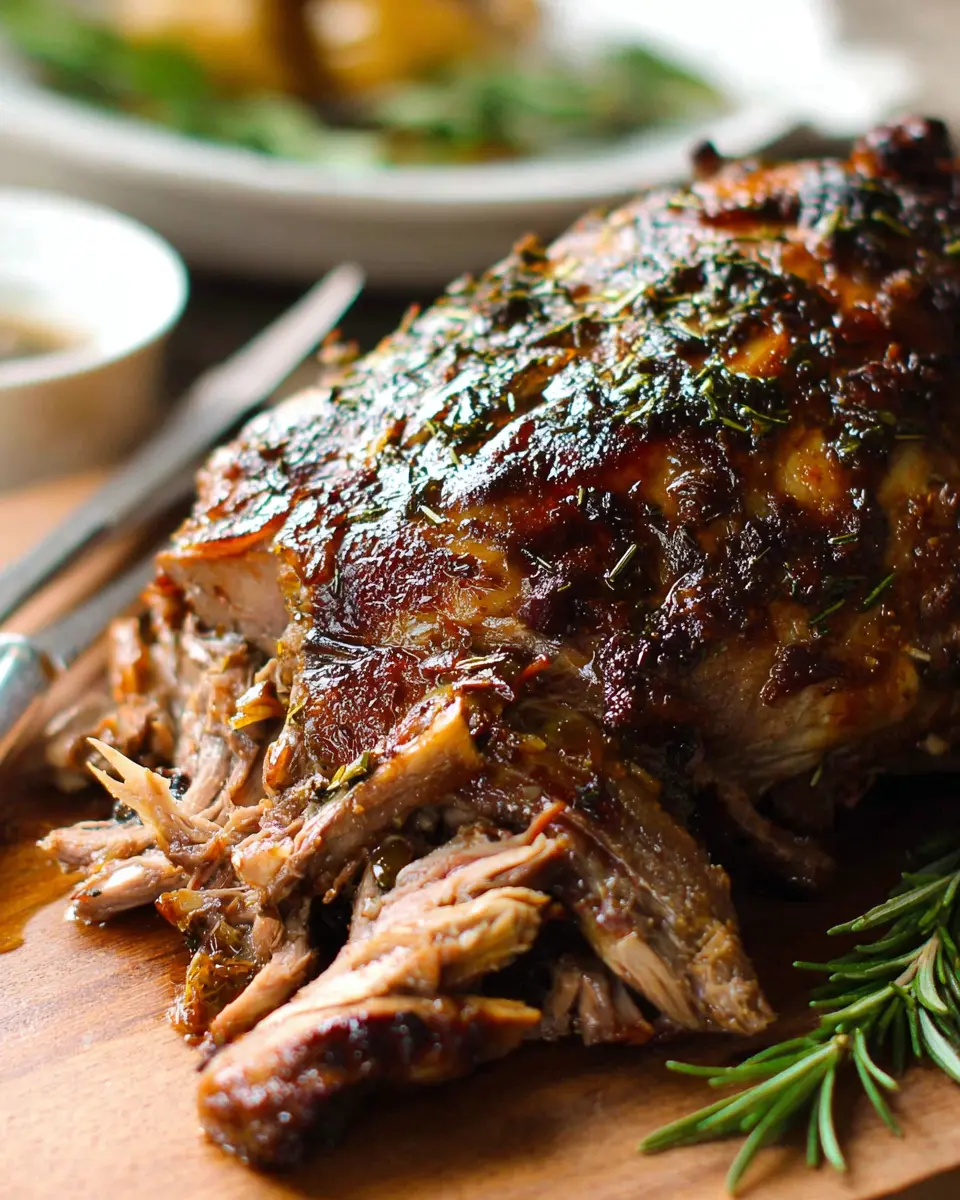
Variations on Slow Roast Leg of Lamb
Mediterranean-style slow roast
For a delicious twist on the classic slow roast leg of lamb, consider a Mediterranean-style roast. Begin by marinating the lamb with a vibrant mixture of olive oil, lemon juice, minced garlic, and an array of spices like cumin, paprika, and oregano. Add a handful of cherry tomatoes and slices of red onion around the lamb during the last hour of roasting for added sweetness and depth. This flavor profile transports your taste buds straight to the Mediterranean coast!
Herb and citrus-infused roast
Another delightful variation is an herb and citrus-infused roast. Combine fresh herbs such as thyme, rosemary, and parsley with zesty orange and lemon zest. Rub this mixture generously all over the lamb before placing it in the oven. Not only does this add a refreshing brightness to the meat, but the herbs infuse a fragrant aroma throughout your cooking space. Want to elevate the flavors even more? Add some chopped olives and capers to the roasting pan for a savory kick!
Experimenting with these variations allows you to personalize your slow roast leg of lamb and impress friends and family with your culinary creativity. Enjoy the process!
Cooking Tips for Slow Roast Leg of Lamb
Ensuring Juiciness in Your Lamb
To achieve the juiciest slow roast leg of lamb, opt for a bone-in cut like a leg or shoulder. Season generously with salt before the roast to help it retain moisture. Cooking it in broth alongside aromatics like garlic and onion not only infuses flavor but also creates a steamy environment that keeps the meat succulent. Remember, patience is key! A long, slow roast allows the collagen in the meat to break down, resulting in fork-tender goodness.
Adjusting Seasoning for Personal Preference
Personalize your slow roast leg of lamb by adjusting the seasoning to your taste. While salt and pepper are essential, feel free to experiment with herbs like thyme or savory spices such as cumin for a twist. A smidge of honey or lemon zest can elevate the dish with a touch of sweetness. Sample the broth as it cooks—it's an easy way to ensure the flavors suit your palate!
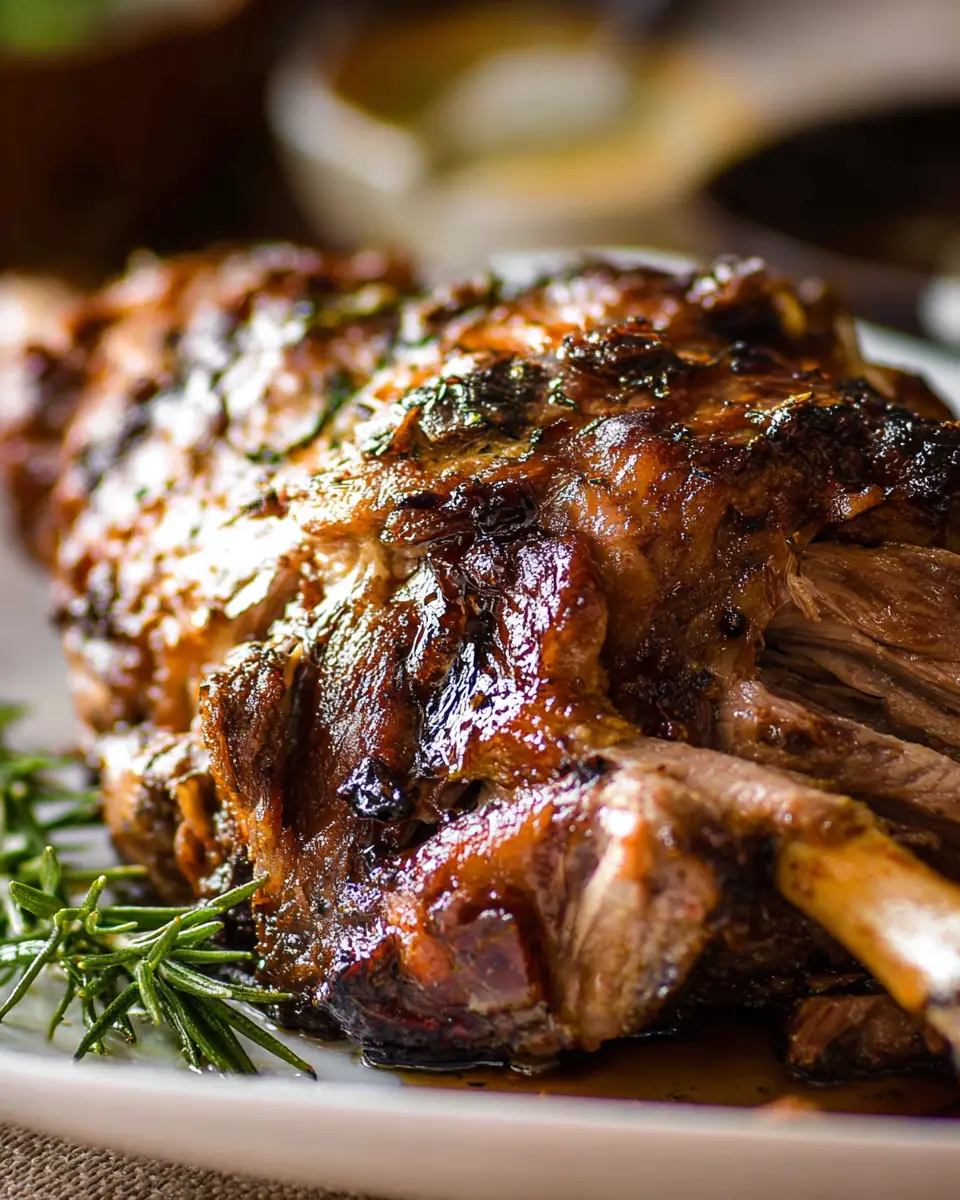
Serving suggestions for Slow Roast Leg of Lamb
Pairing sides with your roast
To complement your slow roast leg of lamb, consider sides that enhance its rich flavors. Classic options include:
- Roasted vegetables: Carrots, parsnips, and Brussels sprouts bring sweetness and texture.
- Mashed potatoes: Creamy, buttery mashed potatoes serve as a perfect base for the savory gravy.
- Green beans: Sautéed or steamed, they add a lovely crunch and freshness to the plate.
- Salad: A simple arugula or mixed green salad with a lemon vinaigrette balances the meal beautifully.
For inspiration, check out these ideas for roasted veggie sides or salad pairings.
Creative ways to use leftovers
After enjoying your slow roast leg of lamb, don’t let any leftovers go to waste! Here are some creative ways to repurpose the tender meat:
- Lamb sandwiches: Slice the meat thinly and pile it high on bread with your favorite toppings like mustard or aioli.
- Lamb tacos: Shred the meat and add to corn tortillas with fresh salsa and avocado.
- Lamb shepherd's pie: Combine with vegetables and a topping of creamy mashed potatoes for a comforting dish.
These ideas not only help you avoid food waste but also offer delicious meals that make the most out of your cooking efforts!
Time Breakdown for Slow Roast Leg of Lamb
Preparation Time
Get ready for a flavor-packed experience! The preparation for your slow roast leg of lamb takes about 20 minutes. This includes seasoning the meat and prepping the roasting pan with garlic and onion.
Cooking Time
Once you've prepped the lamb, it'll enjoy a leisurely oven time of around 5 hours. This includes an initial 4.5 hours of slow roasting and a final 45 minutes uncovered to achieve that golden-brown exterior.
Total Time
In total, you’re looking at roughly 5 hours and 20 minutes from start to finish. It’s a small investment for a meal that delivers big on flavor and tenderness! Perfect for gathering family or friends and making lasting memories over delicious food.
So go ahead, roll up those sleeves, and get ready to enjoy the incredible taste of a slow roast leg of lamb! For lots more tips, check out BBC Good Food for additional inspiration!
Nutritional Information for Slow Roast Leg of Lamb
Understanding the nutritional profile of your meals can help you maintain a balanced diet while enjoying delicious dishes like slow roast leg of lamb. Here's a quick rundown of the key nutritional information per serving:
Calories per Serving
Each serving contains approximately 605 calories, making it a hearty option for dinner. If you're mindful of calorie intake, remember that the fat skimmed off during gravy preparation can lower this to around 500 calories.
Protein Content
With a robust 56 grams of protein per serving, this meal is not only filling but perfect for those looking to boost their protein intake. Lamb is an excellent source of high-quality protein that supports muscle repair and growth.
Sodium Levels
The sodium content is about 809 mg per serving. While this helps enhance flavor, it's wise to keep an eye on your overall sodium consumption, especially if you're on a low-salt diet. For a lower sodium option, consider using homemade broth instead of store-bought.
For more insights into healthy eating, take a peek at resources like Harvard Health Publishing or The American Heart Association. Enjoy crafting your slow roast leg of lamb and delight in both its taste and nutritional benefits!
FAQs about Slow Roast Leg of Lamb
How do I know when the lamb is done?
The best way to check if your slow roast leg of lamb is perfectly cooked is by using a meat thermometer. For medium-rare, aim for an internal temperature of about 60°C (140°F); for medium, aim for around 65°C (150°F). Alternatively, you can test if the meat is tender enough to easily pull apart with a fork. If it’s not quite there, simply pop it back in the oven.
Can I use different cuts of lamb?
Absolutely! While this recipe is tailored for a leg of lamb, you can also use a shoulder. The shoulder has more fat, which makes it succulent and flavor-rich when slow roasted. Keep in mind that cooking times may vary, so adjust as needed based on the cut you choose. If you want some great tips on using different cuts, check out this roast lamb guide.
What should I serve with slow roast leg of lamb?
Pair your slow roast leg of lamb with classic sides like roasted vegetables, creamy mashed potatoes, or a fresh salad for a well-rounded meal. Don’t forget good gravy; it’s essential for draping over the lamb and sides. Foods that balance the rich flavors of lamb will elevate your dining experience. Check out this recipe for truly crunchy roast potatoes to complete your feast!
Conclusion on Slow Roast Leg of Lamb
In summary, preparing a slow roast leg of lamb is a rewarding culinary endeavor that transforms a modest cut of meat into a feast for the senses. The tender, juicy results paired with rich gravy make it perfect for any gathering. Don’t hesitate to impress your friends and family—give this recipe a try!
Slow Roast Leg of Lamb
Equipment
- roasting pan
- Whisk
Ingredients
- 2.25 kg leg of lamb bone in or shoulder
- Salt and pepper
- 1.5 tablespoon olive oil
- 1 whole garlic head unpeeled, cut in half horizontally
- 1 large onion quartered, unpeeled is fine
- 2 sprigs rosemary 2 = whisper of flavour, 4 sprigs = stronger flavour
- 3 cups beef stock/broth low sodium
- 2 cups water
Gravy
- 4 tablespoon flour white
- 1 cup water
- Salt and pepper to taste
Instructions
Cooking Instructions
- Preheat oven to 170°C/335°F (standard) or 150°C (fan).
- Place garlic, onion and rosemary in a metal roasting pan.
- Season lamb: Place lamb leg right side up in the pan. Sprinkle generously with salt and pepper and rub it in.
- Turn lamb over and place it so it mostly sits on the garlic and onion. Sprinkle with more salt and pepper, rub it in.
- Drizzle lamb with olive oil. Pour broth and water around the lamb – it won't cover it, that's ok, the lamb sinks into it. Cover with foil.
- Place in the oven and roast for 4.5 hours.
- Remove from oven, remove foil. Turn lamb over. Check it to ensure the meat is tender enough to pry off easily with a fork. If not, return covered to oven.
- Return uncovered lamb to oven for a further 45 minutes or until well browned.
- Remove lamb and spoon over pan juices. Transfer to serving platter, cover loosely with foil while making the gravy.
- Use a large spoon to skim off some of the fat from the surface of the liquid.
- Place pan on the stove on medium high. When the liquid bubbles, add flour. Whisk to mix it in.
- Once it looks like sludge, whisk in ½ – 1 cup of water until it becomes a gravy consistency to your taste.
- Strain gravy into a bowl, pressing juices out of the onion etc. Pour gravy into jug.
- Serve the meat with gravy.



Leave a Reply