
Introduction to How to Make Cabbage Kimchi
Why Kimchi is a Game Changer for Homemade Food Lovers
If you're passionate about homemade food, learning how to make cabbage kimchi is a delightful journey to embark on! Kimchi is more than just a side dish; it's a flavor-packed, gut-friendly marvel that's been enjoyed for centuries in Korean cuisine. This fermented dish transforms humble cabbage into a tangy, spicy, and umami-rich delight that can elevate any meal.
You might wonder, why all the fuss about kimchi? Well, did you know that fermented foods like kimchi are loaded with probiotics that are beneficial for gut health? A study from the Harvard T.H. Chan School of Public Health highlights how fermented foods can support digestion and bolster your immune system.
Making your own kimchi at home not only allows you to customize flavors to your taste—think spicy, mild, or even vegan—but also ensures you’re eating wholesome ingredients without artificial preservatives. Plus, it’s a fantastic way to impress friends at your next gathering!
So, grab your ingredients, and let’s dive into this fun and rewarding culinary adventure that will surely become a staple in your kitchen! Ready to make cabbage kimchi?
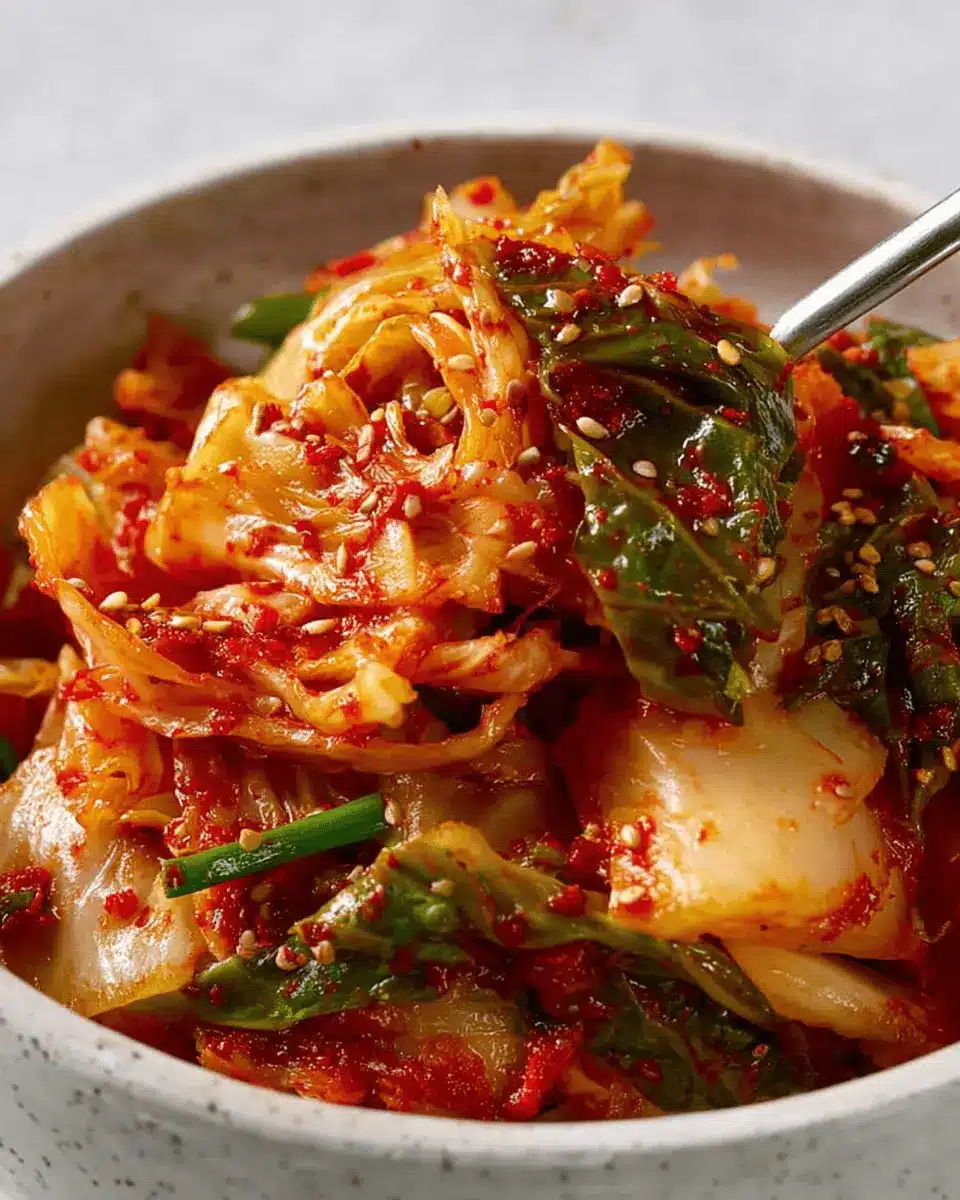
Ingredients for Cabbage Kimchi
Making your own cabbage kimchi at home is both rewarding and delicious. To ensure you get that authentic flavor, it's crucial to gather the right ingredients.
Essential ingredients for the perfect kimchi
To get started, here's a handy list of what you'll need:
- Napa cabbage: A medium head (about 2 pounds) is ideal for this recipe.
- Salt: Use iodine-free sea salt or kosher salt to enable proper fermentation.
- Garlic and ginger: Fresh ingredients are a must for adding depth; you'll need grated garlic (5-6 cloves) and grated fresh ginger (1 teaspoon).
- Sugar: Just a teaspoon to balance flavors.
- Fish sauce: For a savory umami taste; substitutes like salted shrimp paste or even just water can work too.
- Korean red pepper flakes (gochugaru): This is what gives you that beloved spicy kick, and you can adjust the amount based on your heat preference.
- Vegetables: Korean radish or daikon radish, along with scallions, contribute both texture and flavor.
Optional ingredients for personalizing your kimchi
Once you've got your essentials down, consider adding a few optional ingredients to make this recipe truly your own. You might try:
- Carrots: For a touch of sweetness and color, matchstick some carrots into the mix.
- Sesame seeds: These can add a delightful crunch and nutty aroma.
- Kelp powder: If you’re following a vegetarian diet, substitute the fish sauce with ¾ teaspoon of kelp powder mixed with water.
Experimenting with these optional ingredients allows you to tailor your kimchi, so have fun with it! Understanding how to make cabbage kimchi is a journey of flavor. Learn more about the benefits of fermentation here.
Step-by-Step Preparation of Cabbage Kimchi
Making kimchi at home might seem daunting, but with a little patience and practice, you can master how to make cabbage kimchi that rivals any store-bought version. Let’s dive into the process with these easy steps!
Cutting the cabbage
Start by carefully cutting your napa cabbage. Begin by slicing the cabbage lengthwise through the stem into quarters. Remove the cores, then cut each quarter crosswise into 2-inch-wide strips. This size ensures it ferments evenly and is easy to pack into your jar later.
Salting for fermentation
Place the cut cabbage into a large bowl and sprinkle it with ¼ cup of iodine-free sea salt. Using your hands, massage the salt into the cabbage until you notice it softening slightly. Next, add water to cover the cabbage completely. To ensure even salting, place a plate on top and weigh it down with a heavy object—like a jar or can of beans. Allow it to sit for 1 to 2 hours, making sure the salt draws out excess moisture, which is crucial for fermentation.
Rinsing and draining
After the salting period, rinse the cabbage thoroughly under cold water 3 times. This step removes excess salt that can make your kimchi overly salty. Drain the cabbage in a colander for 15 to 20 minutes to ensure it’s not too watery before mixing it with your spices.
Making the spice paste
While the cabbage drains, rinse out the bowl used for salting. Combine grated garlic, grated ginger, granulated sugar, and your choice of fish sauce or a vegetarian alternative in the bowl. Stir until it's a smooth paste, then gradually mix in the Korean red pepper flakes (gochugaru). Adjust the heat according to your preference—1 tablespoon for mild and up to 5 for fiery!
Combining vegetables and spice paste
Gently squeeze any remaining water from the cabbage and add it to your spice paste. Now, introduce the matchstick-cut radish and chopped scallions to the mix. This combination not only adds flavor but also texture to your kimchi.
Mixing thoroughly
Put on some gloves (optional, but recommended!) and get your hands in there! Thoroughly coat the veggies with the spice paste—every piece should be vibrant and well-covered. Don’t be shy; this is where all the delicious flavors come together.
Packing it into the jar
Now comes the fun part—packing. Place your kimchi mixture into a clean 1-quart jar, pressing it down firmly. Make sure that the brine rises to cover the vegetables while leaving at least an inch of headspace at the top to allow for fermentation expansion.
Fermentation time
Set your jar on a plate to catch any possible overflow and let it sit at room temperature, out of direct sunlight, for 1 to 5 days. During this time, you'll notice bubbling as the fermentation process begins.
Daily checks and knowing when to refrigerate
Once a day, open the jar and press down on the vegetables with a clean utensil to keep them submerged. This also releases gases produced during fermentation. Taste it along the way—when it reaches your desired flavor, pop it in the refrigerator. While it’s edible right away, it keeps getting better after a week or two in cold storage.
With a bit of practice, you’ll master the art of making delicious kimchi right at home! Happy fermenting!
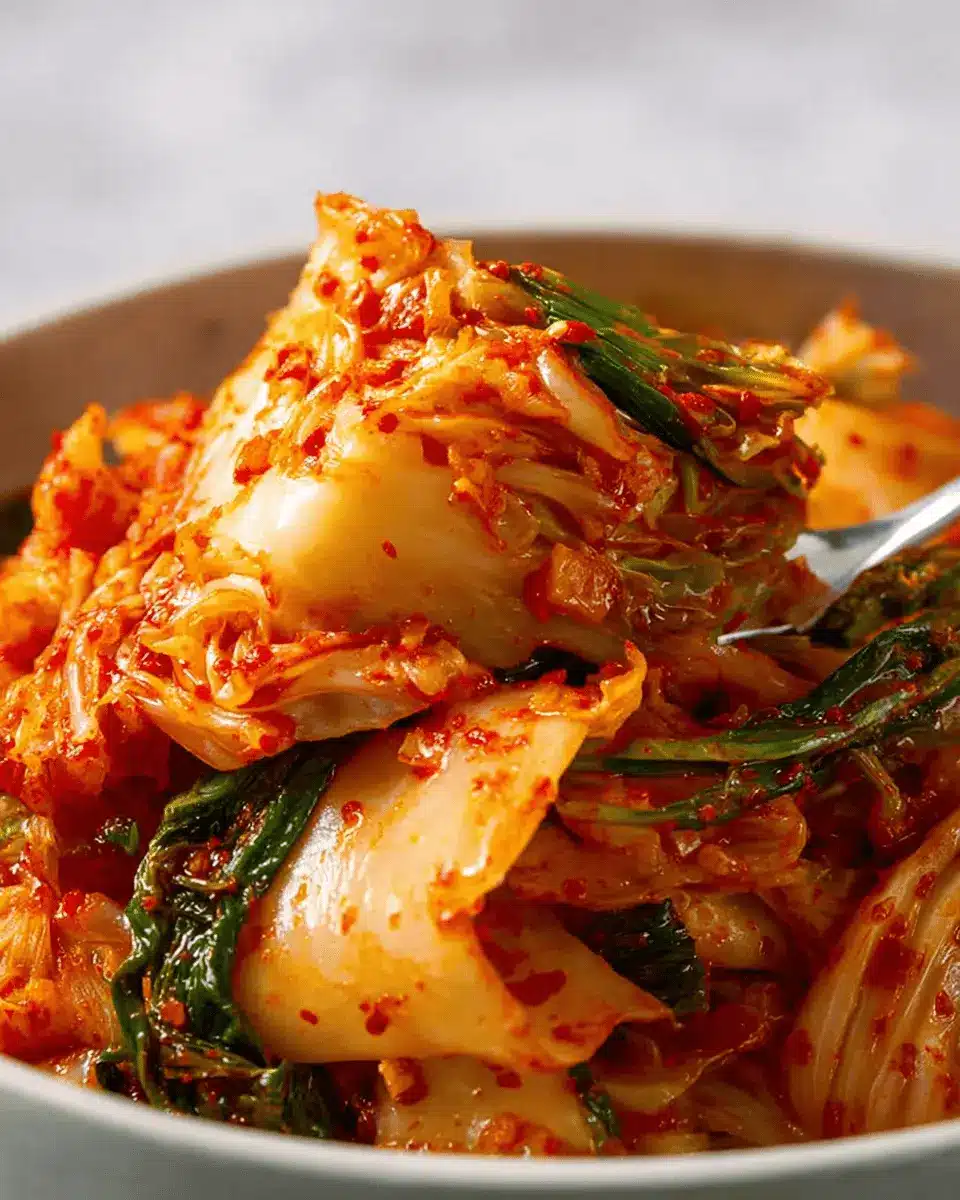
Variations on Cabbage Kimchi
Vegan Cabbage Kimchi
For those following a plant-based diet, learning how to make cabbage kimchi in a vegan style is a breeze! Simply omit the fish sauce or shrimp paste and replace it with a mixture of 3 tablespoons of water combined with ¾ teaspoon of kelp powder. This swap maintains the umami flavor while keeping your kimchi entirely plant-based. You won’t miss the seafood, and your taste buds will thank you!
Spicy Cabbage Kimchi with Added Vegetables
Want to kick up the heat? Add more excitement to your kimchi by incorporating additional veggies like carrots, radishes, or cucumbers. Chop them into matchsticks, just like the Korean radish, and mix them in while combining the spice paste with the cabbage. Adjust the gochugaru to your spice preference—more heat means more flavor! This variation not only adds crunch but also a burst of color to your kimchi. Enjoy experimenting!
Cooking Tips and Notes for Cabbage Kimchi
Importance of Using the Right Salt and Water
When learning how to make cabbage kimchi, the choice of salt and water is crucial. Opt for iodine-free sea salt or kosher salt to facilitate fermentation, as iodine can hinder the process. Using distilled or filtered water is equally important since chlorine in tap water can negatively impact the fermentation. These small details can significantly enhance the flavor of your kimchi!
Tips for Storage and Longevity of Kimchi
Once your kimchi is ready, store it in the fridge to prolong its freshness. For best results, always use clean utensils when scooping out portions. Kimchi can last for several months, but its flavor will intensify over time. Remember to keep an eye on it—the fermentation process can vary, making daily checks a great habit to adopt! If you're curious about various storage methods, check out this helpful guide.
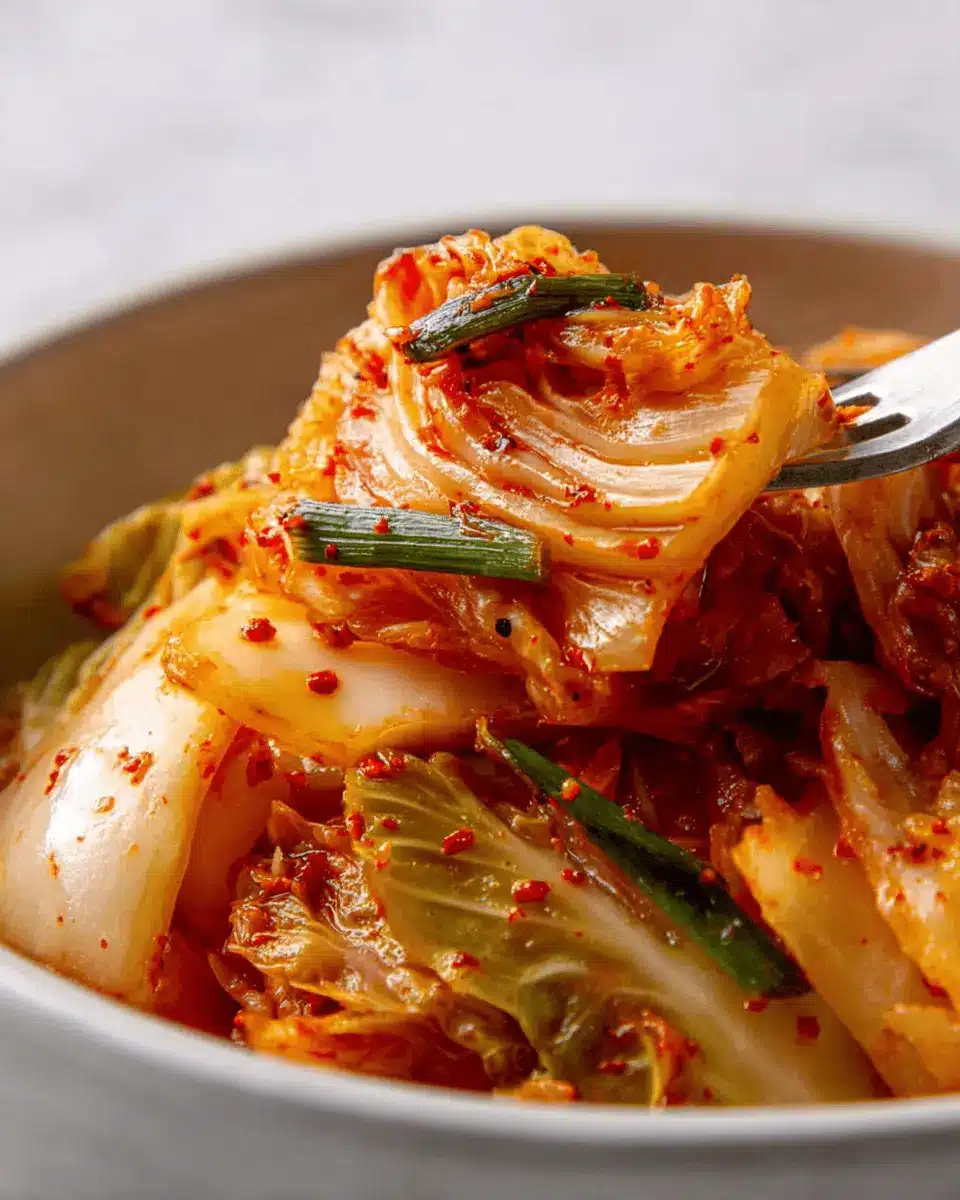
Serving Suggestions for Cabbage Kimchi
Pairing Kimchi with Rice and Proteins
Cabbage kimchi complements a bowl of rice beautifully, adding a spicy and tangy kick to your meal. Serve it alongside grilled chicken or turkey bacon for a protein-packed combo that makes for a quick and satisfying lunch. You can also try it with beef stir-fry for a delicious balance of flavors. For a simple twist, mix kimchi into fried rice for that extra zing—your taste buds will thank you!
Creative Ways to Use Kimchi in Meals
Think beyond the side dish! Incorporate how to make cabbage kimchi into your meals in inventive ways. Use it as a topping for tacos for a unique fusion experience or blend it into creamy dips for your next gathering. Kimchi pancakes are another delightful option—just mix chopped kimchi into your pancake batter for breakfast. The possibilities are endless! Explore more ideas on creative ways to enjoy kimchi here.
Time Breakdown for Making Cabbage Kimchi
Preparation Time
Get ready for about 2 to 3 hours of preparation, which includes salting the cabbage and making the spice paste. This phase is essential for developing the flavors that make your kimchi shine!
Fermentation Time
The fermentation process takes between 1 to 5 days, depending on your kitchen's temperature and your taste preference. Warmer kitchens may speed things along, so keep an eye on it!
Total Time
In total, you’re looking at around 1 week to enjoy your homemade cabbage kimchi! This allows for preparation, fermentation, and some extra time to develop those delicious flavors. Check out more about how to make cabbage kimchi and other tips here.
Nutritional Facts for Cabbage Kimchi
Calories
Cabbage kimchi is a low-calorie powerhouse, with roughly 50 calories per serving. This makes it a fantastic addition to any meal without tallying up those calorie counts.
Protein
While it's not a significant source of protein, kimchi offers about 2 grams per serving. Pairing it with protein-rich foods makes your meals even more satisfying!
Sodium
Due to the salting process, cabbage kimchi contains around 800-1000 milligrams of sodium per serving. While this is typical for fermented foods, if you're watching your sodium intake, be mindful of portion sizes. For more detailed insights, check reputable sources like the USDA's FoodData Central.
In essence, cabbage kimchi is not only delicious but also packed with flavor and unique health benefits, making it a fantastic choice for your culinary adventure in learning how to make cabbage kimchi!
FAQs about Making Cabbage Kimchi
How long does homemade kimchi last?
Once you've mastered how to make cabbage kimchi, you'll want to enjoy it at its best! Homemade kimchi can last in the refrigerator for about 1 to 3 months. As it ferments, the flavor will become more robust and complex. Just be sure to use clean utensils each time you take some out to prevent any bacterial contamination.
Can I adjust the spiciness level of my kimchi?
Absolutely! One of the joys of making your own kimchi is personalizing it to your taste. You can tweak the amount of Korean red pepper flakes (gochugaru) based on your spice preference. For mild kimchi, use only 1 tablespoon, while 5 tablespoons will yield a fiery kick. Experiment and find what works best for you!
What are the health benefits of eating kimchi?
Kimchi is not just tasty; it's also packed with health benefits. It's rich in probiotics due to the fermentation process, which can enhance your gut health. Additionally, kimchi is low in calories and high in vitamins A, B, and C. Regular consumption may even boost your immune system! For more detailed information on the benefits of fermented foods, check out this Harvard Health article.
Conclusion on Making Cabbage Kimchi
Homemade kimchi isn't just a dish; it's a joyful experience that brings flavors to life and nurtures creativity in your kitchen. Learning how to make cabbage kimchi opens doors to endless variations. So, roll up your sleeves, gather fresh ingredients, and make your own delightful batch—your taste buds will thank you!

How to Make Cabbage Kimchi
Equipment
- Cutting board and knife
- Large bowl
- Gloves (optional but highly recommended)
- Plate and weight
- Colander
- 1-quart jar with lid
- Bowl or plate for overflow
Ingredients
Cabbage and Seasoning
- 1 medium head napa cabbage about 2 pounds
- ¼ cup iodine-free sea salt or kosher salt see Recipe Notes
- Water preferably distilled or filtered
- 1 tablespoon grated garlic 5 to 6 cloves
- 1 teaspoon grated peeled fresh ginger
- 1 teaspoon granulated sugar
- 2 tablespoons fish sauce or salted shrimp paste or 3 tablespoons water
- 1 to 5 tablespoons Korean red pepper flakes (gochugaru)
- 8 ounces Korean radish or daikon radish peeled and cut into matchsticks
- 4 medium scallions trimmed and cut into 1-inch pieces
Instructions
Preparation
- Cut the cabbage lengthwise through the stem into quarters. Cut the cores from each piece. Cut each quarter crosswise into 2-inch-wide strips.
- Place the cabbage in a large bowl and sprinkle with the salt. Massage the salt into the cabbage until it softens. Add enough water to cover the cabbage. Weigh it down with a plate and let it stand for 1 to 2 hours.
- Rinse the cabbage under cold water 3 times. Set aside to drain in a colander for 15 to 20 minutes.
- In a cleaned bowl, add garlic, ginger, sugar, and fish sauce. Stir into a smooth paste and mix in gochugaru.
- Gently squeeze any excess water from the cabbage and add it to the spice paste along with the radish and scallions.
- Mix thoroughly using your hands until the vegetables are coated with the paste.
- Pack the kimchi into a 1-quart jar, pressing down until the brine covers the vegetables, leaving at least 1 inch of space at the top. Seal the jar.
- Place a bowl under the jar to catch overflow. Let it sit at room temperature for 1 to 5 days.
- Check daily, pressing down on vegetables to keep them submerged. When ready, transfer to the refrigerator.




Leave a Reply