
Introduction to Mango Pudding
What is mango pudding and why you’ll love it?
Mango pudding is a creamy and delightful dessert that originates from Asian cuisines, particularly popular in Chinese dining. Made primarily with ripe mangos, coconut milk, and gelatin, this dessert brings together tropical flavors for a refreshing treat any time of the year. The beauty of mango pudding lies in its silky texture and vibrant color, making it as pleasing to the eyes as it is to the palate.
Why will you love it? For starters, the combination of fresh, ripe mangos and rich coconut milk creates a flavor profile that is both sweet and subtly tangy. This dessert is exceptionally versatile and can be served on its own or garnished with a drizzle of evaporated milk for an extra layer of creaminess. Plus, it’s dairy-free if you opt for coconut milk, making it an ideal choice for those with dietary restrictions.
Not to mention, mango pudding is easy to prepare, making it a fantastic option for busy young professionals who still want to impress at gatherings. With just a few ingredients and minimal effort, you can whip up a dessert that feels gourmet. That’s what makes mango pudding not just a dish but a delightful experience!
For an easy recipe to try this week, keep reading!
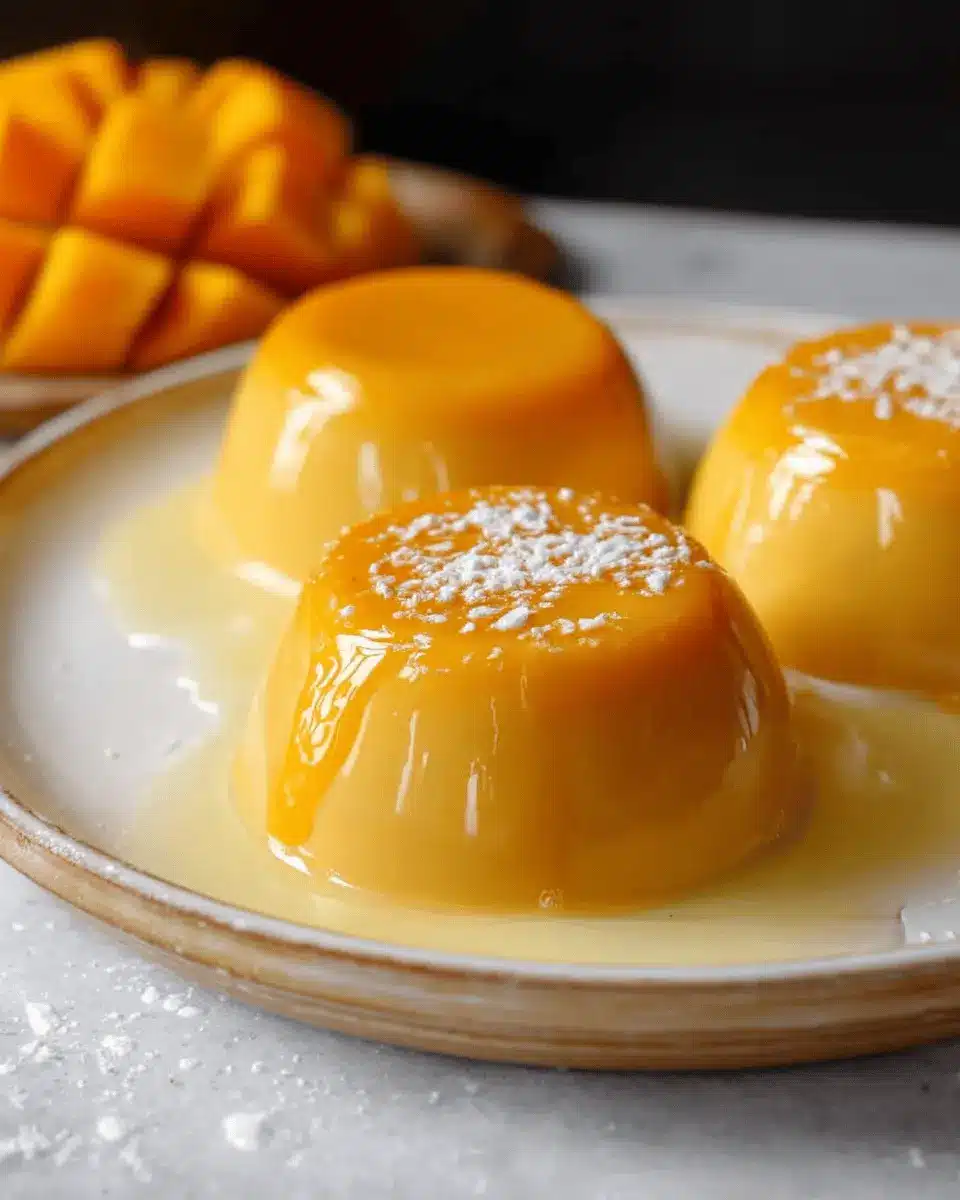
Ingredients for Mango Pudding
Creating a delightful mango pudding starts with selecting the right ingredients. Here’s what you’ll need:
Fresh mangoes
Using fresh, fully ripe mangoes is essential for a rich flavor. Aim for about 12 ounces, and be sure to skip any unripe or canned options. Ripe mangoes are sweet and tender, making your pudding creamy and delicious.
Coconut milk
For that luscious texture, opt for full-fat coconut milk. Not only does it enhance the creaminess, but it also adds a tropical flair to your pudding. If you prefer a substitute, consider heavy cream or evaporated milk for a similar effect.
Gelatin
To give your mango pudding its signature shape and silky consistency, you'll need about 1.5 tablespoons of gelatin powder. It ensures your dessert sets perfectly without compromising on flavor.
Sugar
A dash of white granulated sugar (1.5 tablespoons) will elevate the sweetness and balance the natural flavors of the mangoes, enhancing that blissful tropical taste.
Cold water
Finally, add 2 tablespoons of cold water to dissolve the gelatin. This step is crucial to achieving that smooth, velvety texture integral to the perfect mango pudding.
Now that you're familiar with the ingredients, let’s get ready to create a dessert that not only looks beautiful but also tastes fantastic!
Preparing Mango Pudding
Mango pudding is a delightful treat that brings the tropical flavors of ripe mangoes to your plate. With just a few simple steps, you can whip up this creamy dessert that’s perfect for any occasion. Let's walk through the process together, ensuring you make the best mango pudding possible!
Selecting the Perfect Mangoes
The first step in crafting delicious mango pudding is selecting the right mangoes. Look for fresh, fully ripe, and tender mangoes—the kind that yield slightly when you press them. Avoid unripe or canned mangoes, as they won't provide the sweet and luscious flavor necessary for this dessert. One of the best varieties to choose from is the Haden or Kent mango due to their juicy texture and rich sweetness. If you're unsure about what to pick, consult your local produce expert or check out this guide to mango varieties.
Blending Mangoes into a Puree
Once you've selected your mangoes, it's time to blend them into a smooth puree. Begin by peeling, pitting, and slicing the mangoes into small chunks. Transfer those pieces to a blender or food processor. Blend for at least one minute until you achieve a very smooth and creamy texture. You can run the puree through a fine sieve for an extra smooth pudding, eliminating any lingering fibers. Trust me, the smoother the puree, the better your pudding will turn out!
Preparing the Gelatin Mixture
Next, you'll prepare the gelatin. In a large bowl, combine cold water and gelatin powder, mixing for about 30-45 seconds. Don't be alarmed if it thickens into a gel-like consistency; that’s completely normal! The mixture will also have a slight odor, which will dissipate once combined with the other ingredients. This step is essential as the gelatin helps set the pudding.
Combining Ingredients on the Stove
Now, for the magic! Add your prepared mango puree, coconut milk, and white sugar to the gelatin mixture. Stir until everything is smooth and well combined. Transfer this mixture to a small pot over medium-low heat. Gently whisk for about 3-4 minutes until the gelatin is completely dissolved, taking care not to let it simmer or boil. The goal here is a creamy and uniform texture.
Pouring and Setting the Pudding
Finally, it’s time to pour your mango pudding mixture into greased serving bowls or silicone molds. If you notice any air bubbles, gently poke them out with a toothpick or spatula—nobody wants a lumpy pudding! If desired, cover your bowls with plastic wrap before refrigerating them. Allow the pudding to chill for at least six hours or overnight until it is perfectly set. Serve it cold, drizzled with a bit of evaporated milk or coconut milk for that extra tropical flair.
And there you have it! You've successfully prepared mango pudding. Each spoonful is a blissful reminder of summer, no matter the season. Enjoy!
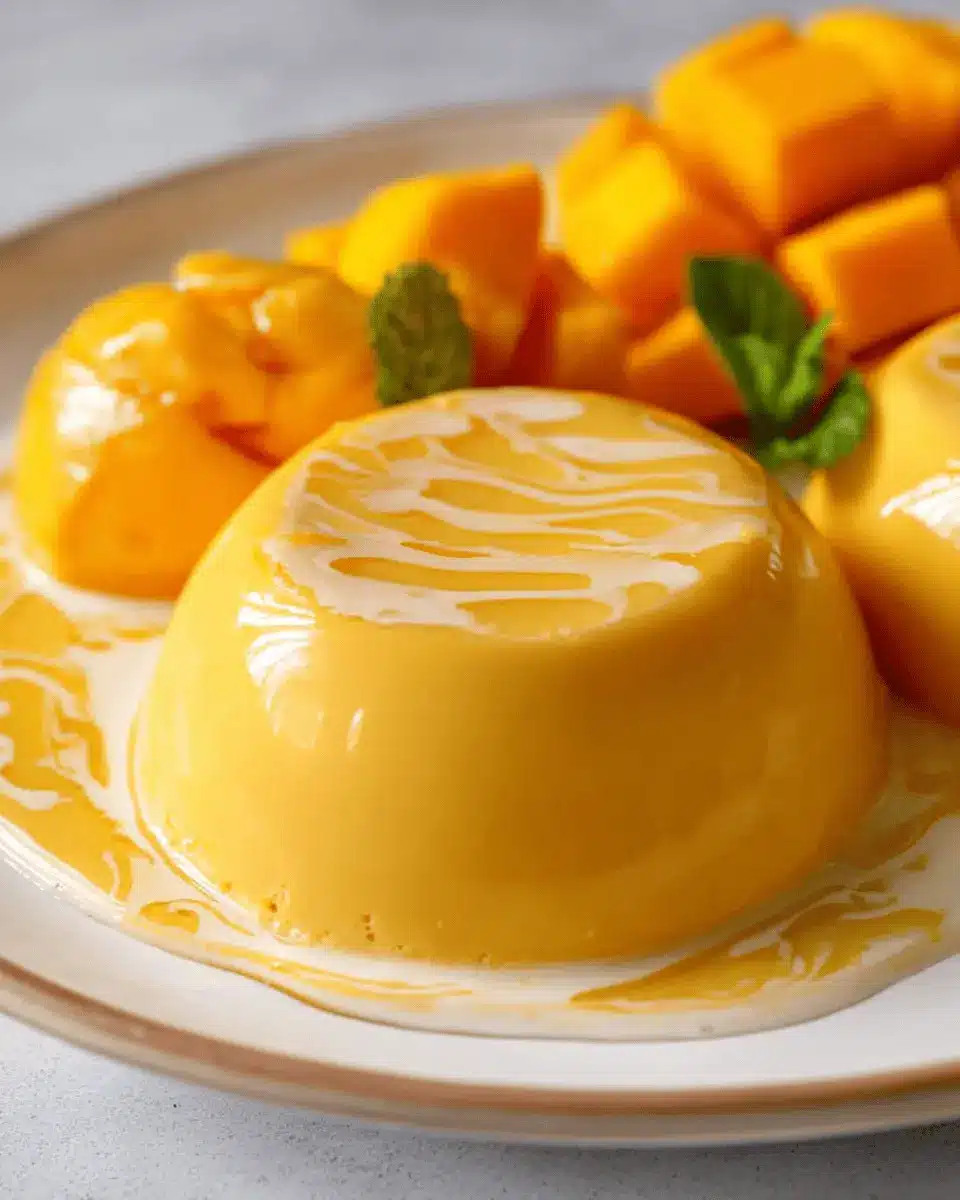
Variations of Mango Pudding
Coconut twist
Take your mango pudding to the next level by adding a delightful coconut twist! Simply mix in a bit of shredded coconut or replace part of the coconut milk with coconut cream for a richer texture. This variation enhances both flavor and creaminess, making each spoonful feel like a tropical getaway. For a finishing touch, sprinkle toasted coconut flakes on top before serving.
Layered mango pudding
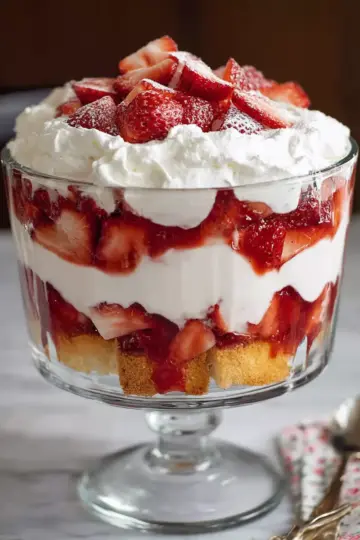
For an eye-catching dessert, try layering your mango pudding with yogurt or whipped cream. Alternate layers of smooth mango pudding with creamy yogurt, and top it with fresh fruit slices, like kiwi or strawberries. This not only adds visual appeal but also gives you a refreshing taste combination that's sure to impress at gatherings!
Dairy-free version
If you're looking for a dairy-free option, fear not! Stick with full-fat coconut milk, which forms the creamy base for your mango pudding. You can enhance the flavor profile by adding a splash of vanilla extract or a dash of lime juice. The result is a luscious dessert that caters to various dietary needs without sacrificing taste.
Cooking tips and notes for Mango Pudding
Choosing ripe mangoes
To create the most delicious mango pudding, begin with ripe mangoes that are fragrant and slightly soft to the touch. Look for those with vibrant skin and a fullness that indicates tenderness. Avoid unripe or canned options, as they’ll compromise the pudding’s flavor and texture.
Achieving smooth consistency
For a velvety mango pudding, ensure your mango purée is exceptionally smooth. Blend the mango pieces for at least a minute, and consider straining it through a fine sieve to eliminate any fibrous bits. This extra step can greatly enhance the creaminess of your dessert.
Tips for using gelatin
When using gelatin, mix it with cold water and allow it to thicken before combining it with your other ingredients. Don’t worry if it forms a gel-like consistency; it’s perfectly normal! Just remember to dissolve it completely over low heat without boiling, preserving that smooth, creamy texture essential for mango pudding.
For more tips and information about the benefits of fresh mangoes, check out this guide.
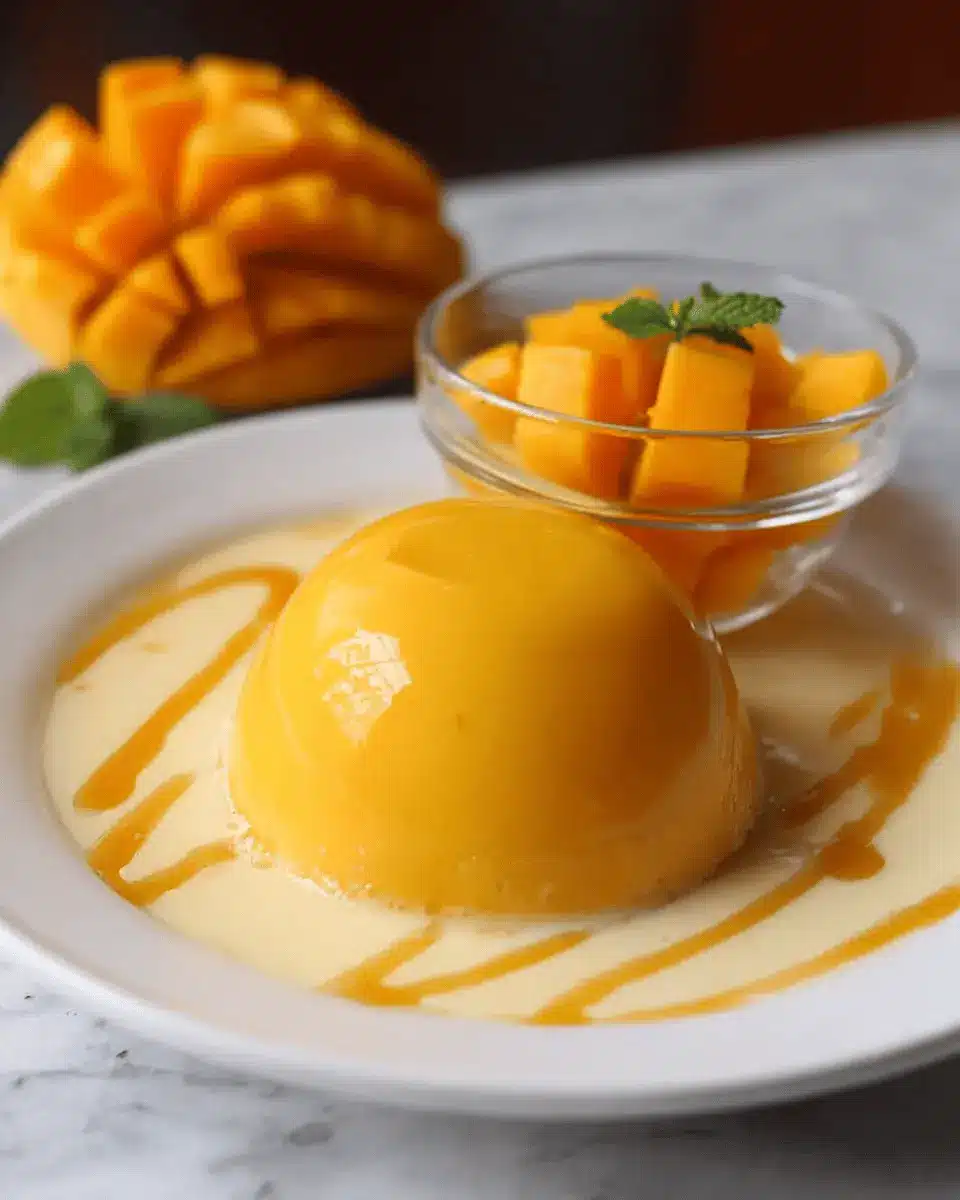
Serving Suggestions for Mango Pudding
Garnishes to Elevate the Experience
To enhance your mango pudding, consider adding fresh fruit like diced kiwi or strawberries for a vibrant pop of color. A sprinkle of toasted coconut or a drizzle of high-quality honey can bring out the natural sweetness of the mango. For something unique, serve it with a side of whipped coconut cream, or for a crunchy contrast, include a handful of granola or nuts. These simple garnishes not only improve presentation but can also add interesting textures and flavors.
Serving Chilled vs. at Room Temperature
While mango pudding shines when served chilled, bringing it to room temperature can allow its flavors to become more pronounced. Chill for at least 6 hours for the best set. If you choose to serve it warmer, let it sit out for about 30 minutes before serving. This flexibility allows you to adapt based on your guests' preferences, ensuring that everyone enjoys this delightful treat!
Consider pairing it with a refreshing drink, like coconut water or iced herbal tea, to create a balanced meal.
Time Breakdown for Mango Pudding
Preparation Time
Getting your ingredients ready for mango pudding takes about 15 minutes. This includes peeling and chopping your fresh, ripe mangos. Trust me, spending a little extra time to pick the best mangos will make all the difference in flavor.
Setting Time
Once you've mixed everything together, the pudding needs to chill for at least 6 hours. If you can spare the time, letting it set overnight will deliver the best results, giving you that perfect creamy texture.
Total Time
In total, you’re looking at roughly 6 hours and 15 minutes from start to finish. But don’t worry—most of that time is hands-off, making it easy to prepare this delightful dessert while you focus on other tasks!
For more tips on choosing the right mangos and ensuring your pudding turns out perfectly, check out this guide on mango selection.
Nutritional Facts for Mango Pudding
When indulging in this delicious mango pudding, it's good to know its nutritional profile. Each serving contains:
- Calories: Approximately 150 calories, making it a light dessert option.
- Protein: Offers about 2 grams of protein, beneficial for a balanced snack.
- Sugar: Contains around 10 grams of sugar, primarily from the natural sweetness of ripe mangos.
This delightful dessert is not just tasty; it also gives you a nutritious boost! For more insights on the health benefits of mangoes, check out resources from Healthline for a deeper dive into their nutritional value.
FAQs about Mango Pudding
Can I use frozen mangoes?
Absolutely! While fresh, ripe mangoes give the best flavor and texture, frozen mangoes can be a convenient substitute. Just make sure to thaw them completely and drain any excess liquid before blending to achieve that smooth mango pudding consistency.
How long can I store mango pudding?
You can enjoy mango pudding for up to 3 days when stored properly in the refrigerator. Be sure to cover it with plastic wrap or transfer it to an airtight container to maintain its freshness. If you want to enjoy a taste of summer later, consider freezing individual portions for up to a month—just let them thaw in the fridge before serving!
Is this recipe suitable for vegans?
Yes! This mango pudding recipe is vegan-friendly as long as you use plant-based alternatives like coconut milk and agar-agar instead of gelatin. Agar-agar can mimic the thickening properties of gelatin while ensuring that your dessert remains entirely plant-based. Looking for more vegan dessert ideas? Check out this vegan dessert guide for tasty inspirations!
Conclusion on Mango Pudding
Mango pudding is not just a dessert; it's a delightful experience that brings sunshine to any table. Simple to make and incredibly refreshing, this treat is perfect for warm days or special occasions. Try this recipe, and let the tropical flavors whisk you away to a paradise of taste!
Mango Pudding
Equipment
- blender
- Small pot
- Spatula
- Serving bowls or silicone molds
Ingredients
Main Ingredients
- 12 oz fresh ripe mangos Fully ripe and tender. Do not use unripe or canned.
- 0.54 cups coconut milk Full-fat kind or sub with evaporated milk or heavy cream.
- 2 tablespoon water Cold
- 1.5 tablespoon white granulated sugar
- 1.5 tablespoon gelatin powder
Optional Topping
- 4 tablespoon evaporated milk Or coconut milk for a dairy-free version.
Instructions
Preparation Steps
- Peel, pit and slice fully ripened mangoes into small pieces. Transfer mango pieces to a blender or food processor. Blend into a very smooth purée, at least 1 minute.
- In a large bowl, add cold water and gelatin. Mix for 30-45 seconds to thicken.
- To the gelatin mixture, add white sugar, coconut milk, and puréed mango. Give it a stir until smooth and well combined.
- Transfer mango mixture to a small pot. On medium-low heat, whisk until gelatin has melted and fully dissolved, about 3-4 minutes.
- Pour mixture into four greased serving bowls or silicone molds. If needed, poke out any air bubbles on the surface and smooth out the top.
- Refrigerate for at least 6 hours or overnight until it sets. Serve chilled with evaporated milk.


Leave a Reply