
Introduction to No-Fail Amish White Bread
Why Homemade Bread is a Game Changer for Young Professionals
Imagine walking into your kitchen, the smell of freshly baked No-Fail Amish White Bread wafting through the air. As a young professional, you often juggle work, social commitments, and personal projects, leaving little time for yourself. That's where homemade bread comes in—it’s an incredibly satisfying experience that fits your busy lifestyle.
Making your own bread can be surprisingly simple and rewarding. Not only does it allow you to savor a wholesome product free from preservatives, but it’s also a fantastic way to impress friends and family at gatherings. Kneading dough can even serve as a stress-reliever after a long day at the office. Did you know that baking can trigger the release of endorphins, boosting your mood?
Moreover, homemade bread is budget-friendly. A loaf of high-quality store-bought bread can cost a pretty penny, whereas you can make several loaves of No-Fail Amish White Bread for the fraction of the price. If you're looking to elevate your cooking skills while providing yourself with delicious meals, why not give this recipe a try? It’s easy, delicious, and bound to become a staple in your kitchen.
For more tips on embracing a cooking lifestyle, check out this guide on bread-making fundamentals!
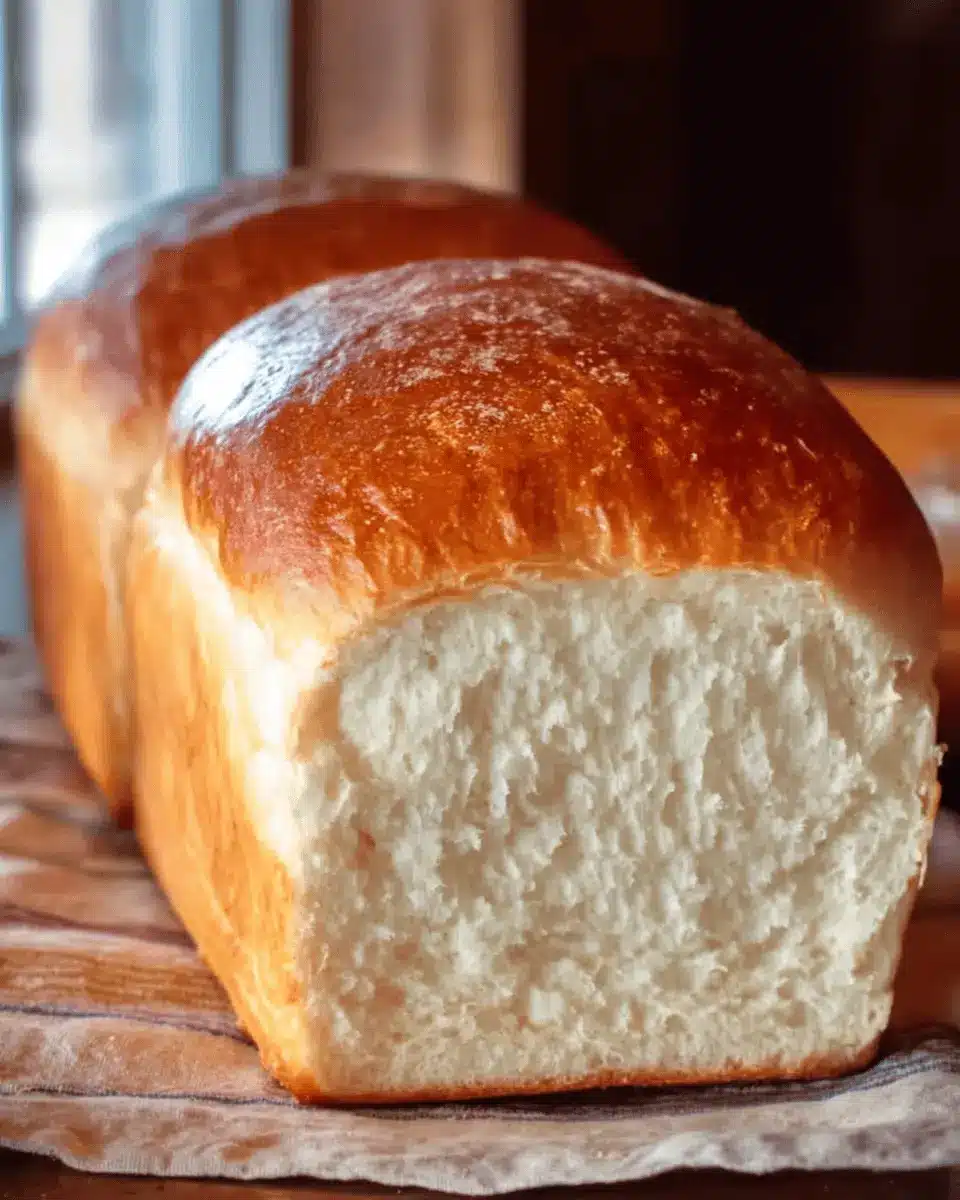
Ingredients for No-Fail Amish White Bread
Essential ingredients you’ll need
To whip up No-Fail Amish White Bread, you’ll need a handful of staple ingredients that are easy to keep on hand:
- Warm Water: 1 cup at 110°F helps activate the yeast.
- Milk: 1 cup at 110°F adds richness to the dough.
- Sugar: ⅔ cup not only sweetens the bread but feeds the yeast for a better rise.
- Active Dry Yeast: 1 ½ tablespoons is essential for that fluffy texture.
- Salt: 1 ½ teaspoons enhances flavor and strengthens the dough.
- Oil: ¼ cup of vegetable or melted coconut oil contributes moisture (melted butter works too!).
- Bread Flour: 5-½ cups is the backbone of your bread, creating structure.
Optional ingredients for extra flavor
Want to elevate your No-Fail Amish White Bread? Try these optional additions:
- Powdered Ginger: A pinch helps activate yeast for a more robust rise.
- Butter: 2 tablespoons of melted butter brushed on top provides a buttery finish once baked.
Experiment with these ingredients to create the perfect loaf that suits your taste. Happy baking!
Preparing No-Fail Amish White Bread
Making No-Fail Amish White Bread at home is not only rewarding, but it fills your kitchen with the most delightful aroma. Trust me, once you master this simple recipe, you'll want to share your warm, fluffy loaves with friends and family. Let's walk through each step together!
Gather Your Ingredients
Before diving in, it’s essential to gather your ingredients. You’ll need:
- 1 cup warm water (110°F)
- 1 pinch of powdered ginger (optional, but it helps activate the yeast)
- 1 cup warm milk (110°F)
- ⅔ cup sugar (you can reduce this for a less sweet bread)
- 1 ½ tablespoons active dry yeast
- 1 ½ teaspoons salt
- ¼ cup vegetable oil (coconut oil works too!)
- 5-½ cups bread flour
- 2 tablespoons melted butter for brushing on top
Having everything prepped and ready will make your baking experience smooth and enjoyable.
Activate the Yeast Mixture
Start by dissolving the sugar in the warm water and milk in a large mixing bowl. Add your pinch of ginger here if you’re using it. Then whisk in the yeast and let the mixture sit for about 5 to 10 minutes. You’ll know it’s ready when it becomes foamy — this is a sign that your yeast is active and ready to rise!
Mix and Combine the Ingredients
Once your yeast mixture is foamy, stir in 1 cup of flour. Next, whisk in the salt and oil. Gradually add more flour, one cup at a time, until the dough starts pulling away from the sides of the bowl. If using a mixer, let it run for a few minutes; if you’re hand kneading, just make sure it’s a sticky mass at this point.
Knead the Dough
If you’re up for the challenge, remove your dough from the bowl and place it on a lightly floured surface. Knead the dough for about 10 minutes until it’s smooth and elastic, adding flour as needed. This crucial step helps develop gluten, which gives your No-Fail Amish White Bread its delightful texture.
Allow the Dough to Rise
Oil a large bowl and place your kneaded dough inside, covering the top with oil as well. Now, cover it with a damp cloth and let it rise in a warm spot until it has doubled in size—this usually takes about an hour. This is where the magic happens!
Shape the Loaves
Once your dough has risen, punch it down gently to release the air. Knead it for an additional three minutes, then divide it in half. Let each piece rest for about five minutes before shaping them into loaves. Place the shaped dough into greased 9x5-inch loaf pans and brush the tops with melted butter.
Bake the Bread
Let the loaves rise again for about 30 minutes, or until they’ve risen above the pans. Preheat your oven to 350°F and bake the bread for 30 minutes. You'll know it's done when the loaves sound hollow when tapped, and an instant-read thermometer reads 190°F in the center.
And voilà! Your No-Fail Amish White Bread is ready to cool, and soon enough, you’ll be slicing into your golden, fluffy creation. Enjoy it fresh for breakfast, or use it for delicious sandwiches all week long!
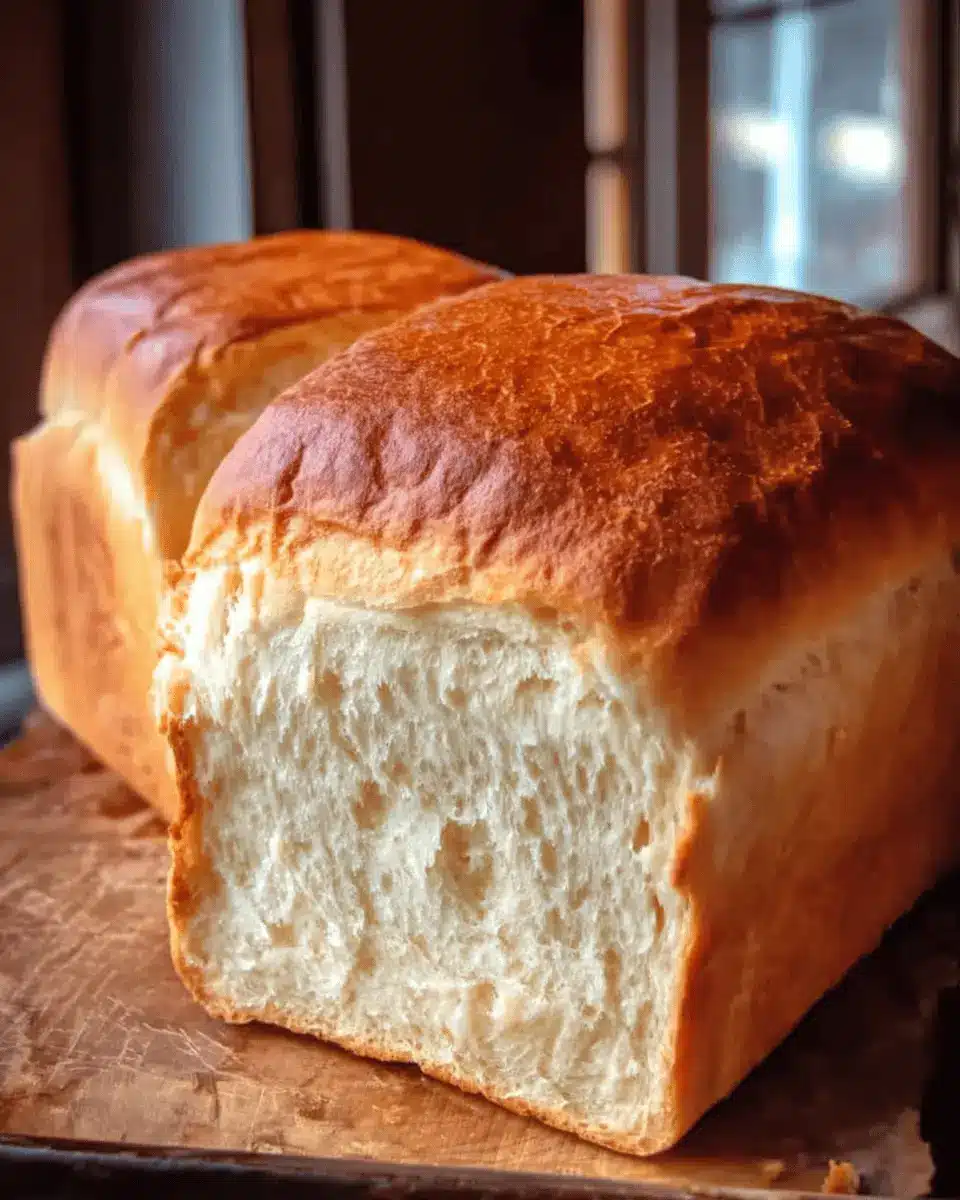
Variations on No-Fail Amish White Bread
Experimenting with your No-Fail Amish White Bread offers delightful variations that can appeal to different palates and dietary preferences. Here are two easy options to elevate your baking game:
Whole Wheat Amish Bread
For a heartier option, consider substituting half or all of the bread flour with whole wheat flour. This not only adds a lovely nutty flavor but also increases the fiber content. Remember, you may need to adjust the liquid slightly since whole wheat absorbs more moisture. If you're seeking a wholesome bread that’s both satisfying and nutritious, this is a fantastic choice.
Herb-Infused Variants
Take your No-Fail Amish White Bread to a whole new level by incorporating herbs! Simply mix in a tablespoon of dried herbs like rosemary, thyme, or basil into the flour before you begin kneading. The aroma wafting through your kitchen will be irresistible, and the flavor it imparts will make your sandwiches a gourmet delight. This variant pairs beautifully with savory spreads or grilled veggies, creating a perfect side for your meals.
These creative twists allow you to enjoy your homemade bread in different and exciting ways!
Cooking Tips and Notes for No-Fail Amish White Bread
Best Practices for Achieving a Soft Crust
To ensure a deliciously soft crust on your No-Fail Amish White Bread, remember to brush the tops with melted butter right after baking. This not only adds flavor but also helps keep the crust tender. Additionally, draping a clean tea towel over the loaves as they cool traps humidity, which prevents the crust from getting too hard—just let them breathe for about five minutes before transferring them out of the pans.
Dough-Rising Hacks
Rising dough can sometimes feel tricky, but there are simple hacks to help your No-Fail Amish White Bread rise perfectly. A great trick is to place your dough in the oven with the light on; the gentle warmth creates an ideal environment. Alternatively, adding a pinch of ground ginger to activate the yeast can work wonders for lifting your dough sky-high. For more tips on enhancing your bread's rise, check out this article on natural dough enhancers.
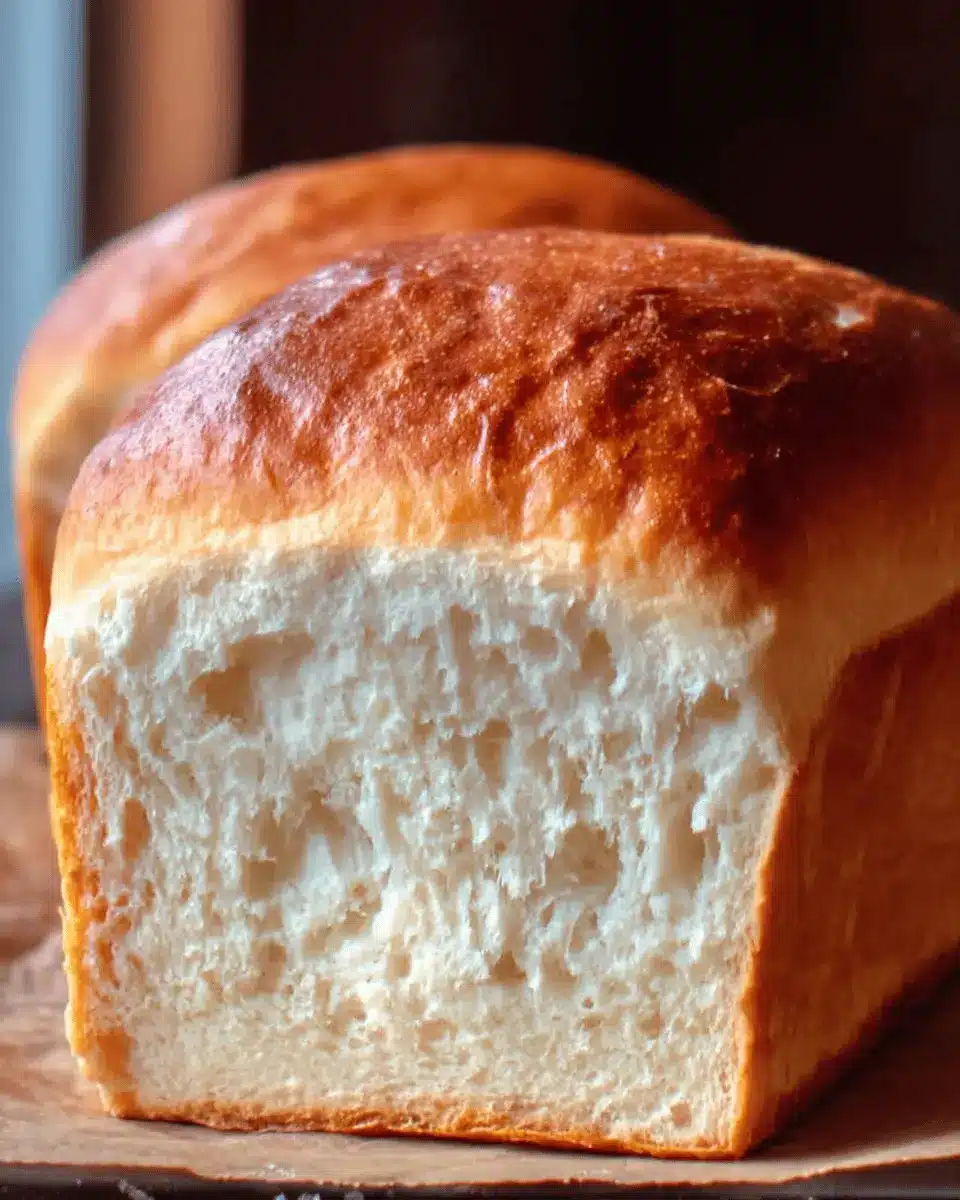
Serving suggestions for No-Fail Amish White Bread
Perfect pairings with spreads
Enjoying No-Fail Amish White Bread is all about finding the right toppings. Consider slathering on creamy peanut butter or a delightful fruit jam for a breakfast treat. For a savory twist, try a rich avocado spread sprinkled with salt and pepper—simply divine! An herb-infused cream cheese can elevate your toast game, or opt for classic butter sprinkled with a touch of cinnamon sugar for a sweet touch.
Creative sandwich ideas
Get creative with your sandwiches using this fluffy bread! Build a classic turkey bacon and avocado combo for a filling lunch, or layer sliced chicken ham with fresh greens and a tangy mustard spread. For a vegetarian delight, try roasted vegetables with hummus. Each sandwich showcases the bread's soft texture while offering endless flavor possibilities, making any meal a standout!
Feel free to explore more inspiration for toppings and fillings, like checking out food blogs or cooking websites for further ideas.
Time Breakdown for No-Fail Amish White Bread
Preparation Time
To kick off your baking adventure with No-Fail Amish White Bread, set aside about 15-20 minutes for preparation. This includes gathering ingredients, mixing the dough, and getting your kitchen ready for the delightful aromas ahead.
Rising Time
The magic of bread happens during the rising time, which takes approximately 1 hour for the dough to double in size. Be patient—this step is crucial for achieving that fluffy texture we all love!
Baking Time
Now comes the rewarding part! Bake your bread for about 30 minutes. Keep an eye on it, and check for that perfect golden crust and hollow sound when tapped.
Total Time
All said and done, the total time from start to finish is around 2 hours. With minimal effort and a bit of waiting, you’ll have a homemade No-Fail Amish White Bread ready to enjoy—perfect for sandwiches, toast, or simply slathered with butter!
For more tips on perfecting your bread-making skills, check out resources like the King Arthur Baking Company for expert insights. Happy baking!
Nutritional Facts for No-Fail Amish White Bread
When you're baking this delightful No-Fail Amish White Bread, it's good to know what's in it.
Calories
Each slice packs about 240 calories, making it a comforting addition to any meal or snack.
Carbohydrates
With approximately 40 grams of carbohydrates per serving, this bread provides an excellent source of energy for your day-to-day activities.
Protein
You'll find around 6 grams of protein in each slice, contributing to a well-rounded diet. A slice of this bread isn't just tasty; it supports your nutritional needs too!
For more detailed nutritional information, consider checking out resources like USDA FoodData Central or NutritionData to tailor your eating habits. Enjoy your delicious homemade bread while keeping your dietary goals in mind!
FAQs about No-Fail Amish White Bread
Can I substitute ingredients?
Absolutely! One of the great things about this No-Fail Amish White Bread recipe is how adaptable it is. You can substitute milk with almond milk or oat milk for a dairy-free option. If you're looking for a lighter flavor, try using olive oil instead of vegetable oil. Feel free to experiment with flours too; a bit of whole wheat can add nutritional value while maintaining the bread’s amazing texture.
How long does homemade bread last?
Homemade bread is best enjoyed fresh but can last up to two days at room temperature when wrapped properly. If you need to store it longer, freezing is a fantastic option! Just slice the bread before freezing for easy access to individual pieces later.
What’s the best way to store bread?
To keep your No-Fail Amish White Bread fresh, wrap it tightly in plastic wrap or aluminum foil. You can also store it in a breadbox or a pantry where temperatures are stable. This helps prevent the bread from drying out or becoming stale too quickly. Want to save some for a later date? Freezing works wonders!
Conclusion on No-Fail Amish White Bread
In just a few simple steps, No-Fail Amish White Bread transforms basic ingredients into a warm, fluffy loaf that pairs perfectly with any meal. This recipe is not just foolproof; it's an invitation to experiment—whether using different oils or adjusting sweetness. Enjoy the delightful aroma filling your home and the satisfaction of homemade bread!

No-Fail Amish White Bread
Equipment
- Large bowl
- Mixer
- 9x5-inch loaf pans
- Bread Machine
Ingredients
- 1 cup water 110F
- 1 pinch powdered ginger optional - activates yeast
- 1 cup milk 110F
- ⅔ cup sugar you can use less
- 1 ½ tablespoons active dry yeast
- 1 ½ teaspoons salt
- ¼ cup vegetable oil coconut oil works well (melt first)
- 5-½ cups bread flour you may need a little more or less
- 2 tablespoons butter melted
Instructions
Conventional method
- Dissolve the sugar in the warm water and milk in a large bowl.
- Whisk in the yeast (and ginger if using).
- Set aside for 5 to 10 minutes, or until the yeast mixture gets foamy.
- Stir in 1 cup of the flour.
- Whisk in the salt and oil.
- With the mixer running add the remaining flour, one cup at a time, until the dough pulls away from the bowl.
- Knead by machine about 5 minutes.
- If hand kneading, mix in the flour until you have a sticky dough, turn out onto a floured surface and knead for 10 minutes.
- Oil a large bowl and place the ball of dough in it.
- Oil the top of the dough and cover with a damp cloth.
- Allow it to rise until it has doubled in bulk, about an hour.
- Punch the dough down, knead for three minutes, and divide in half.
- Let rest for five minutes, shape into loaves, and place in greased pans.
- Brush the tops with melted butter and let rise for 30 minutes.
- Bake at 350°F for 30 minutes or until loaves sound hollow when tapped.
- For a soft crust, butter the tops and cover with a towel after baking.
Bread machine instructions
- Add ingredients to your bread machine in the order the manufacturer recommends.
- Select white bread cycle and press 'start'.
- When the dough has risen once, turn the machine off, then reset it.
- The dough will rise a second time before baking.




Leave a Reply