
Introduction to Frittata Recipes
What is a frittata, and why is it a game-changer?
Have you ever found yourself standing in front of the fridge, pondering what to whip up for breakfast or a light lunch? Enter the frittata! This versatile Italian dish is essentially a thick omelet but takes it up a notch with a delightful mix of ingredients. Unlike a standard omelet, which often requires culinary finesse to flip, a frittata is baked in the oven, making it incredibly easy to prepare.
Why is it a game-changer? For starters, it’s a fantastic way to use up leftover vegetables, meats, and cheeses, transforming them into a hearty meal. Imagine combining your favorite flavors into one gorgeous dish that can be enjoyed warm or chilled, for breakfast, brunch, or even a dinner party. The beauty of a frittata recipe lies in its adaptability; you can customize it based on what you have on hand or your mood. Curious to know how to make one? Stick around, as we’ll not only walk you through a classic frittata recipe, but also explore five delicious variations. Ready to get cracking?
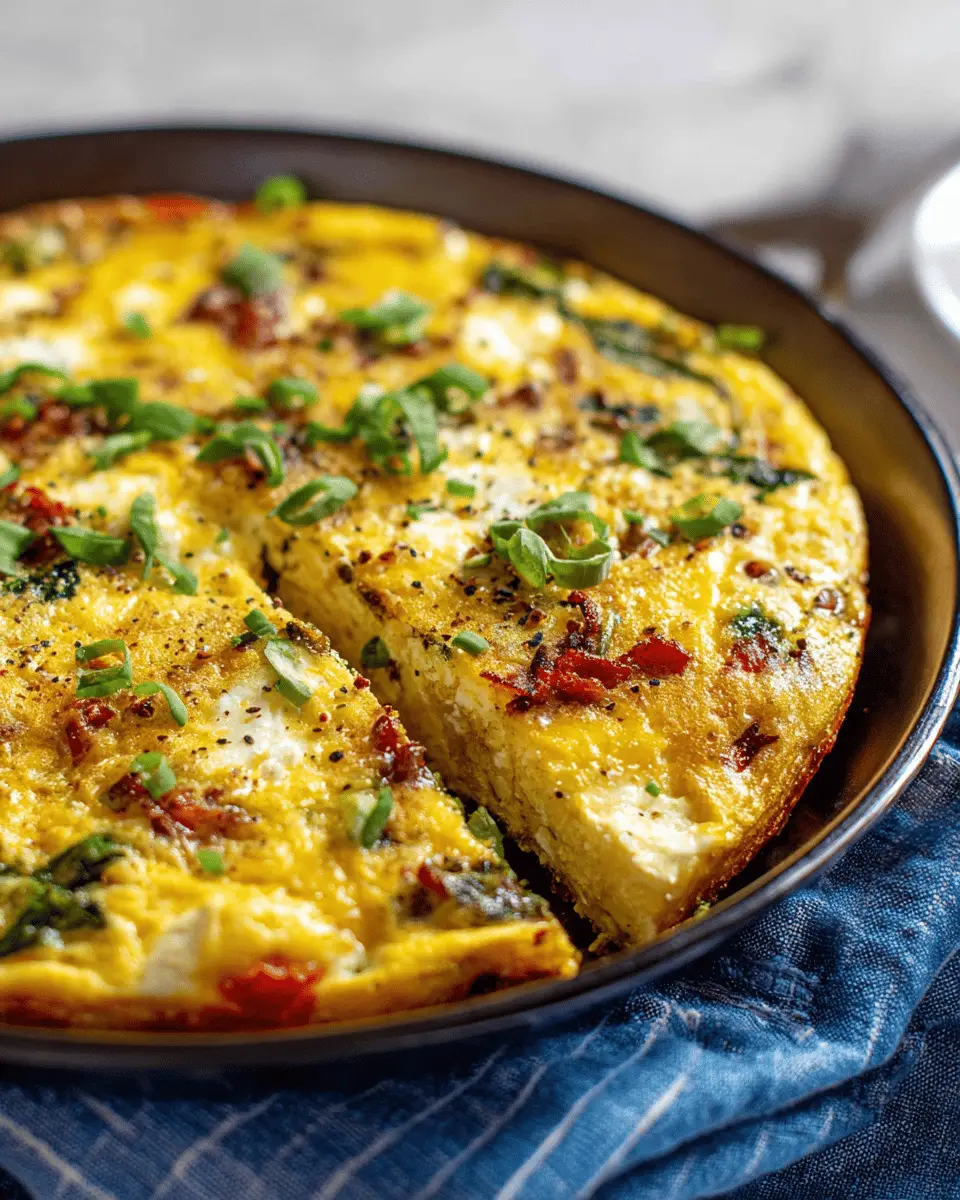
Ingredients for the Basic Frittata Recipe
Essential ingredients for a classic frittata
Creating a delicious frittata is simpler than it seems! For the basic frittata recipe, you’ll need:
- 6 large eggs (or 8 for a 12-inch skillet)
- ¼ cup unsweetened almond milk or any milk of your choice
- 2 garlic cloves, minced
- ¼ teaspoon sea salt, plus more for sprinkling
- Freshly ground black pepper to taste
- Extra-virgin olive oil for drizzling
These foundational ingredients are versatile and can be used to create a frittata that suits any meal or occasion, from brunch to a light dinner.
Recommended pantry staples
As you start crafting your frittata, keeping a few pantry staples handy can enhance the flavor and create delightful variations. Consider stocking:
- Fresh herbs like basil or tarragon for a fragrant finish
- Cheeses such as feta or mozzarella to add creaminess
- Various vegetables like spinach, bell peppers, or mushrooms to amp up the nutrition
With these basics, you can easily whip up different frittata variations to keep things exciting!
Step-by-Step Preparation of the Frittata
Creating a delicious frittata doesn’t have to be complicated! Whether you're looking to whip up a hearty breakfast or a quick dinner, follow these simple steps to ensure your dish comes out perfectly every time. Let’s dive into the preparation.
Gather your ingredients
Before you start cooking, it’s crucial to have all your ingredients ready to go. This not only simplifies the cooking process but also makes it a whole lot more enjoyable! For the basic frittata recipe, you’ll need:
- 6 large eggs (or 8 for a 12-inch skillet)
- ¼ cup unsweetened almond milk or your milk of choice
- 2 minced garlic cloves
- ¼ teaspoon sea salt, plus extra for seasoning
- Freshly ground black pepper to taste
- Extra-virgin olive oil for drizzling
- And any additional ingredients you desire for variation—like veggies, cheeses, or proteins!
Make sure to have your variations ready as well, whether you're excited for the Broccoli Feta or the Caprese!
Whisk the egg mixture
In a mixing bowl, whisk together those eggs, almond milk, minced garlic, and sea salt until it’s creamy and well combined. Incorporating air into your egg mixture will give the frittata a light, fluffy texture. Don’t be shy; use a good whisk or fork to make it a smooth blend!
Sauté the vegetables
Next, it’s sautéing time! In a medium-sized skillet, heat a drizzle of olive oil over medium heat. You want that pan warm but not smoking. Add your chopped vegetables (like the scallions for the Broccoli Feta version) along with a sprinkle of salt and pepper. Cook for just about 5 to 8 minutes, stirring occasionally until your veggies are tender yet vibrant. If you're including mushrooms, allow them to release their moisture and soften beautifully.
Combine the egg mixture with vegetables
Once your veggies have achieved that perfect sauté, it’s time to lighten things up by pouring in your whisked egg mixture. Gently shake the skillet to ensure even distribution. You can sprinkle some cheese on top (like crumbled feta in the Broccoli Feta variation) for a melty surprise once baked.
Bake to perfection
Transfer your skillet to a preheated oven set to 400°F. Bake the frittata for about 15 to 20 minutes or until the edges are set and the center is no longer jiggly. This is the stage where the magic happens! The aroma is going to fill your kitchen, and believe me, it will be hard to resist peeking!
And there you have it! A beautiful, fluffy frittata ready to serve hot or even at room temperature. Pair it with a side salad or enjoy it on its own; the versatility of this dish truly shines. Happy cooking!
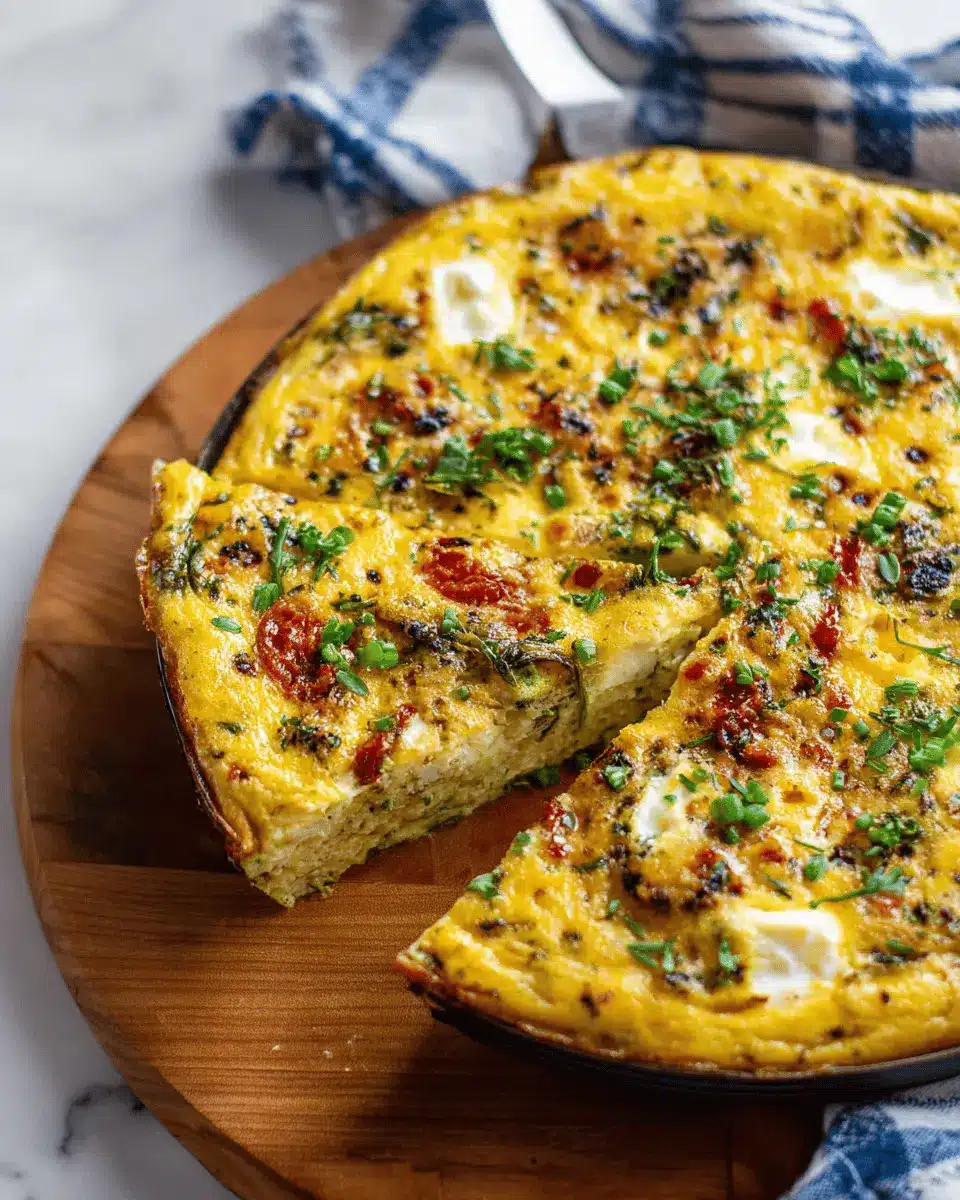
Variations on Frittata Recipes
Frittatas are incredibly versatile, allowing you to mix and match ingredients based on what you have at home or your taste preferences. Here are five delicious variations on the classic frittata recipe that are sure to impress your palate and brighten your brunch table.
Broccoli Feta Frittata
This frittata combines vibrant broccoli and tangy feta for a nutritious dish. Simply sauté scallions and chopped broccoli before adding your egg mixture and feta. It’s a great way to sneak in some greens!
Roasted Red Pepper & Spinach Frittata
For a Mediterranean twist, try the roasted red pepper and spinach variation. Sauté shallots, red peppers, and spinach, then mix in your eggs and sprinkle with feta cheese. This colorful frittata packs a flavorful punch!
Spring Veggie Frittata
Celebrate spring with a medley of asparagus, peas, and herbs like tarragon or chives. This fresh take incorporates seasonal ingredients and is a lovely way to enjoy lighter fare.
Mixed Mushroom & Tarragon Frittata
Elevate your frittata with earthy flavors from mixed mushrooms and aromatic tarragon. Perfect for mushroom lovers, this comforting dish satisfies with rich textures and tastes.
Caprese Frittata
For a classic Italian flair, combine halved cherry tomatoes, fresh basil, and mozzarella. This Caprese-style frittata not only tastes amazing but also looks stunning on your plate!
Each of these variations offers a delightful spin on the traditional frittata recipe, making breakfast or brunch extraordinary. Don't hesitate to customize these with your favorite veggies or herbs for even more delicious options!
Cooking Tips and Notes for Perfect Frittatas
Tips for ingredient substitutions
Frittatas are wonderfully adaptable! Feel free to swap almond milk for any milk you prefer, like oat or soy. You can also change up the cheese—try goat cheese or cheddar, depending on your taste. For added protein, substitute veggies with cooked turkey bacon or chicken ham.
How to achieve the right texture
To create a light and fluffy frittata, let the eggs come to room temperature before whisking. Be sure not to overcook it; the frittata should be slightly jiggly in the center as it continues to cook while cooling. Serve it warm or at room temperature for the best flavor. Enjoy experimenting with your own frittata recipe variations!
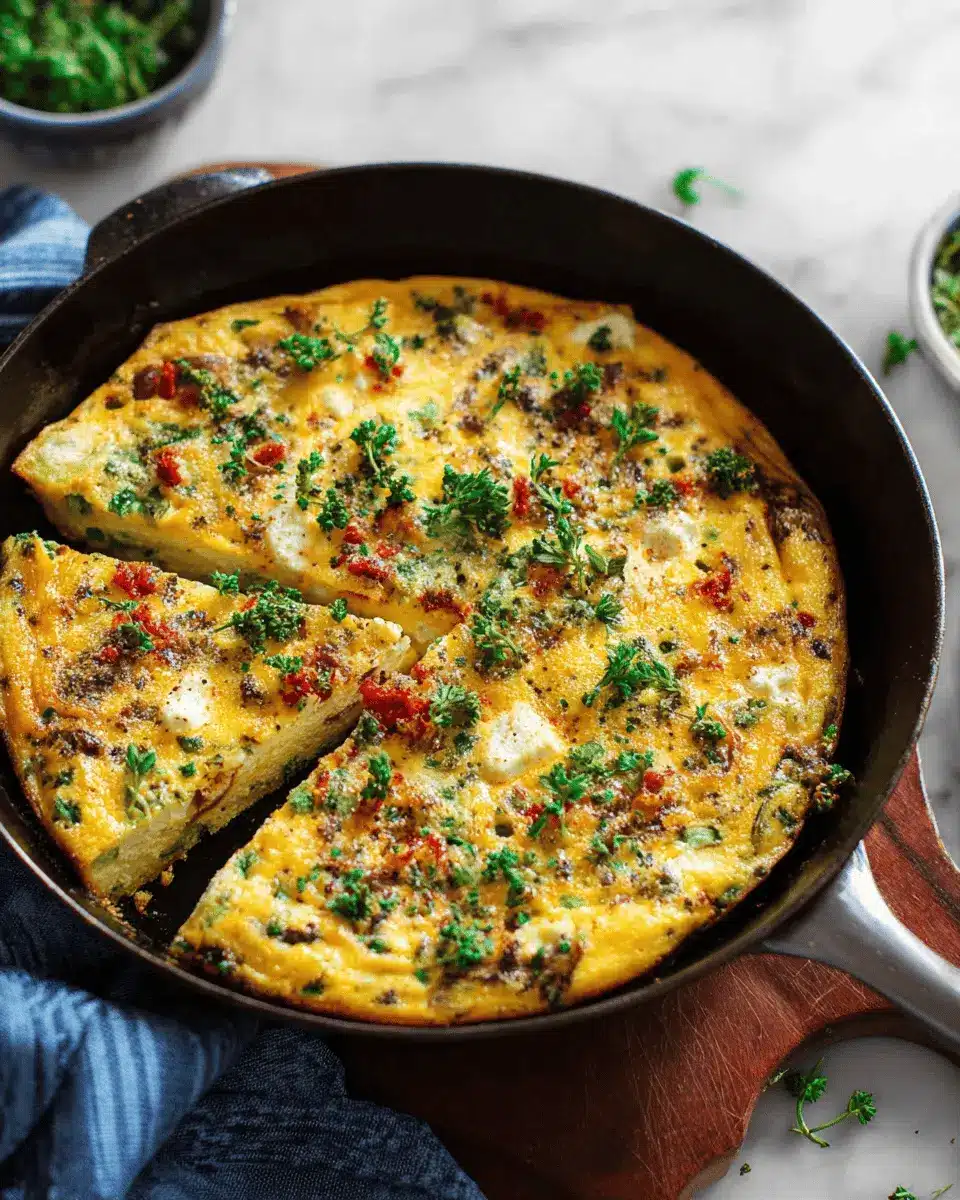
Serving Suggestions for Your Frittata
Best sides to complement your frittata
When it comes to enjoying your frittata recipe, consider pairing it with delightful sides that elevate the meal. Opt for a fresh side salad with arugula, cherry tomatoes, and a zesty vinaigrette to balance the frittata's richness. Another great choice is crispy roasted potatoes, seasoned with herbs for that extra crunch. You might also enjoy some toasted whole grain bread with a spread of creamy avocado, adding healthy fats and texture to your plate.
Creative serving ideas
Serving a frittata opens up a world of possibilities! Slice it into wedges and serve on a wooden board for a rustic brunch vibe. Garnish with fresh herbs like basil or chives for a colorful touch. You can also place the frittata on a bed of sautéed spinach or lightly dressed mixed greens for an appealing presentation. Individual mini frittatas baked in muffin tins make for charming bite-sized servings, perfect for entertaining or meal prep. Don't forget to add your favorite sauces, such as hot sauce or pesto, to enhance the flavor even further!
For more ideas and recipes, check out EatingWell for inspiration.
Time Breakdown for Making Frittatas
Preparation time
Get your ingredients together in just 10 minutes. This includes chopping veggies and whisking those eggs — a quick and easy start to a delightful dish.
Cook time
After preparation, give yourself about 20 minutes for cooking. This includes sautéing your choice of vegetables and baking the frittata until fluffy and set.
Total time
From start to finish, you’re looking at approximately 30 minutes to whip up a delicious frittata, perfect for breakfast, brunch, or even a light dinner!
Feel free to experiment with your favorite ingredients in this frittata recipe to make it truly yours. Your taste buds will thank you!
For more tips and inspiration on making the most out of your frittata, check out The Kitchn for helpful guidance!
Nutritional Facts of Frittatas
Frittatas are not just delicious; they're packed with nutrients! A standard serving contains about 200 calories, making them a hearty yet healthy choice. Each serving boasts around 12 grams of protein, giving you that energy boost for the day. Not to mention, they are rich in vitamins A, D, and B12, as well as essential minerals like iron and magnesium.
For more insights on nutrition, you might check out resources like Healthline and Nutrition Data.
FAQs About Frittata Recipes
Can frittatas be made ahead of time?
Absolutely! You can prepare your frittata recipe in advance. Just cook it, let it cool down, and store it in the fridge for up to three days. This is perfect for busy mornings, as it can be easily reheated in the microwave or oven.
How do I store leftover frittata?
To keep your leftover frittata fresh, wrap it tightly in plastic wrap or place it in an airtight container. This helps retain its moisture and prevents it from absorbing odors from the fridge. You can also cut it into slices for easy portioning!
What else can I add to my frittata?
The beauty of a frittata is its versatility! Feel free to get creative by adding ingredients like:
- Cooked turkey bacon or chicken ham
- Seasonal vegetables like bell peppers or zucchini
- Cheeses such as cheddar, goat cheese, or Gruyère
- Fresh herbs for an aromatic touch, like basil or parsley
Explore with different combinations to find your favorite mix!
Conclusion on Frittatas
Frittatas are a versatile and nutrient-dense dish that can easily become a staple in your kitchen. They offer a quick, delicious option for breakfast, lunch, or dinner. Plus, they’re a great way to use up leftovers. Try different variations and discover your favorite!
Why Frittatas Should Be a Staple in Your Kitchen
Frittatas are more than just a delicious meal—they're a cooking superhero that can save you time and reduce food waste. Here are a few reasons why you should embrace this fantastic dish:
-
Versatility: Frittatas can be made with virtually any vegetables, cheeses, or proteins you have on hand. This adaptability means you can customize them based on your pantry staples or seasonal produce.
-
Health Benefits: Packed with protein from eggs and fiber from vegetables, frittatas are a wholesome option that keeps you feeling satisfied. They can be a great way to sneak in those extra servings of veggies!
-
Quick Preparation: Ready in about 30 minutes, frittatas are perfect for those busy weekday mornings or lazy weekends when you want something hearty but don’t want to spend hours in the kitchen.
-
Meal Prep Friendly: They store well in the fridge and reheat easily, making them ideal for meal prepping. You can whip up a big batch on Sunday and enjoy them throughout the week.
Incorporating a frittata recipe into your regular meal rotation can elevate your cooking game while keeping things fun and flavorful! So, what are you waiting for? Gather your favorite ingredients and start whipping up these delightful dishes!

Frittata Recipe, plus 5 Variations
Equipment
- Cast Iron Skillet
Ingredients
Basic Frittata Ingredients
- 6 large eggs use 8 eggs for a 12-inch skillet
- 0.25 cup unsweetened almond milk or any milk
- 2 cloves garlic minced
- 0.25 teaspoon sea salt more for sprinkling
- Freshly ground black pepper
- Extra-virgin olive oil for drizzling
- Additional ingredients for your desired variation
Variation #1: Broccoli Feta
- 6 scallions chopped
- 2 cups chopped broccoli or broccolini
- 0.125 teaspoon smoked paprika
- 0.25 cup crumbled feta cheese
Variation #2: Roasted Red Pepper & Spinach
- 1 shallot chopped
- 2 roasted red bell peppers chopped
- 2 cups spinach
- 0.333 cup crumbled feta cheese
Variation #3: Spring Veggie
- 4 spring onions or scallions chopped
- 0.5 cup chopped asparagus tender parts
- 0.5 cup frozen peas thawed
- 0.5 cup halved mini mozzarella balls
- 0.25 cup crumbled feta cheese
- 0.25 cup chopped tarragon or chives
Variation #4: Mixed Mushroom & Tarragon
- 1 shallot chopped
- 12 ounces mixed mushrooms chopped
- 0.25 cup chopped tarragon
- 0.333 cup grated pecorino cheese
Variation #5: Caprese
- 1 shallot chopped
- 2 cups halved cherry tomatoes
- 0.75 cup halved mini mozzarella balls
- 0.5 cup sliced fresh basil leaves
Instructions
Preparation
- Preheat the oven to 400°F.
- Whisk the eggs, almond milk, garlic, and salt until well combined. Set aside. Choose a vegetable variation.
Broccoli Feta Instructions
- Heat 1 tablespoon olive oil in a 10 or 12-inch cast-iron skillet over medium heat. Add the scallions, broccoli, and a pinch of salt and pepper and cook, stirring occasionally, until the broccoli is tender but still bright green, 5 to 8 minutes. Stir in the smoked paprika, then add the egg mixture and gently shake the pan to distribute. Sprinkle with the feta and bake 15 to 20 minutes or until the eggs are set. Season to taste and serve.
Roasted Red Pepper & Spinach Instructions
- Heat ½ tablespoon olive oil in a 10 or 12-inch cast-iron skillet over medium heat. Add the shallot, and a pinch of salt and pepper and cook until translucent, about 5 minutes. Add the roasted red peppers and spinach. Sauté until the spinach is wilted, then add the egg mixture and gently shake the pan to distribute. Sprinkle with the feta and bake 15 to 20 minutes or until the eggs are set. Season to taste and serve.
Spring Veggie Instructions
- Heat ½ tablespoon olive oil in a 10 or 12-inch cast-iron skillet over medium heat. Add the scallions, asparagus, and a pinch of salt and pepper and cook, stirring occasionally, until the asparagus is tender but still bright green, about 5 minutes. Add the peas, then add the egg mixture and gently shake the pan to distribute. Add the mozzarella and feta and bake 15 to 20 minutes or until the eggs are set. Season to taste and serve.
Mixed Mushroom & Tarragon Instructions
- Heat 1 tablespoon olive oil in a 10 or 12-inch cast-iron skillet over medium heat. Add the shallot, and a pinch of salt and pepper and cook until beginning to soften, about 3 minutes. Add the mushrooms, stir, and cook until soft and tender, about 8 minutes, stirring only occasionally. Stir in the tarragon, then add the egg mixture and gently shake the pan to distribute. Sprinkle with the pecorino and bake 15 to 20 minutes or until the eggs are set. Season to taste and serve.
Caprese Instructions
- Heat ½ tablespoon olive oil in a 10 or 12-inch cast-iron skillet over medium heat. Add the shallot, and a pinch of salt and pepper and cook until translucent, about 5 minutes. Add the tomatoes, half the basil, stir, then add the egg mixture and gently shake the pan to distribute. Add the mozzarella and bake 15 to 20 minutes or until the eggs are set. Top with the remaining basil. Season to taste and serve.


Leave a Reply