
Introduction to Classic Minestrone Soup
What is Minestrone Soup?
Classic minestrone soup is a hearty Italian dish packed with a rainbow of vegetables, beans, and pasta. Think of it as a comforting bowl of love that uses whatever seasonal produce is at your disposal. Traditionally, this nourishing dish combines elements typical of Italian cooking, like olive oil, garlic, and herbs, making it a staple in many home kitchens. The beauty of minestrone lies in its versatility; you can adapt it based on what’s fresh or what you have in your pantry for a satisfying meal without food waste.
You can dive deeper into the history and variations of minestrone on Serious Eats.
Why is it the go-to comfort food for young professionals?
For many young professionals aged 25-35, classic minestrone soup is more than just a meal—it's a cozy reminder of home. After a long day, whipping up a batch of this nutritious soup is both easy and rewarding. With minimal prep and a short cooking time, it fits perfectly into a busy lifestyle. Plus, the ability to make a large quantity means you have leftovers for those hectic workdays ahead—who doesn't love a tasty meal that’s ready to go?
Ultimately, whether it’s a rainy day or a chilly evening, serving up a bowl of this soul-warming soup can instantly boost your mood. So grab your ingredients and let’s get cooking!

Ingredients for Classic Minestrone Soup
Essential ingredients you’ll need
To whip up a comforting bowl of classic minestrone soup, start with these essential ingredients. You'll need:
- Extra-virgin olive oil
- Yellow onion, chopped
- Carrots, peeled and chopped
- Celery, chopped
- Tomato paste
- Seasonal vegetables (like zucchini or green beans)
- Garlic, minced
- Dried oregano and thyme
- Canned diced tomatoes
- Vegetable broth
- Great Northern beans or cannellini beans
- Baby spinach or kale
With these key ingredients, you’re already on your way to a delicious homemade soup.
Suggestions for seasonal vegetables
Feel free to get creative with your vegetables! Depending on the season, include options like:
- Butternut squash in the fall
- Fresh peas in the spring
- Roasted bell peppers or eggplant during summer
Incorporating seasonal produce not only enhances flavor but also supports local farming.
Optional garnish and seasoning ideas
Once your soup is simmering to perfection, consider these finishing touches:
- A sprinkle of freshly grated Parmesan cheese for richness
- A squeeze of fresh lemon juice for brightness
- A dash of red pepper flakes for a kick
Experimenting with these optional garnishes allows you to personalize your classic minestrone soup experience!
For more cooking inspiration, check out Food Network or Epicurious!
Step-by-step Preparation of Classic Minestrone Soup
Minestrone soup is a delightful way to celebrate the flavors of seasonal vegetables and herbs all in one hearty dish. Ready to dive into the comforting world of this classic? Let’s get cooking!
Sauté the aromatics
Start by warming 3 tablespoons of extra-virgin olive oil in a large Dutch oven or stockpot over medium heat. Once you see the oil shimmering, add in the chopped onion, carrot, celery, and tomato paste, along with a pinch of salt. This base is key; it’s where the magic begins. Stir often for about 7 to 10 minutes, until the veggies soften and the onion becomes nice and translucent. The fragrant aroma will make your kitchen feel warm and inviting!
Add the seasonal vegetables
Next, stir in 2 cups of your favorite seasonal vegetables. Whether you choose zucchini, butternut squash, or even green beans, the goal here is to enhance the soup's freshness. After adding the vegetables, toss in 4 cloves of minced garlic, along with ½ teaspoon each of dried oregano and thyme. Keep stirring for about 2 minutes until you can smell the herbs at their peak.
Stir in tomatoes, broth, and seasonings
Now, it’s time for the heart of the soup! Pour in one large can (28 ounces) of diced tomatoes (don’t forget those juices), along with 4 cups of vegetable broth and 2 cups of water. Sprinkle in 1 teaspoon of fine sea salt, toss in 2 bay leaves, and a pinch of red pepper flakes for a hint of heat. Season with freshly ground black pepper until it’s just right.
Bring to a boil and simmer
Raise the heat to medium-high and bring your mixture to a boil. Then, partially cover the pot with a lid, leaving a little gap for steam to escape. This gentle simmering allows the flavors to meld beautifully. Let it go for about 15 minutes before moving on.
Incorporate pasta, beans, and greens
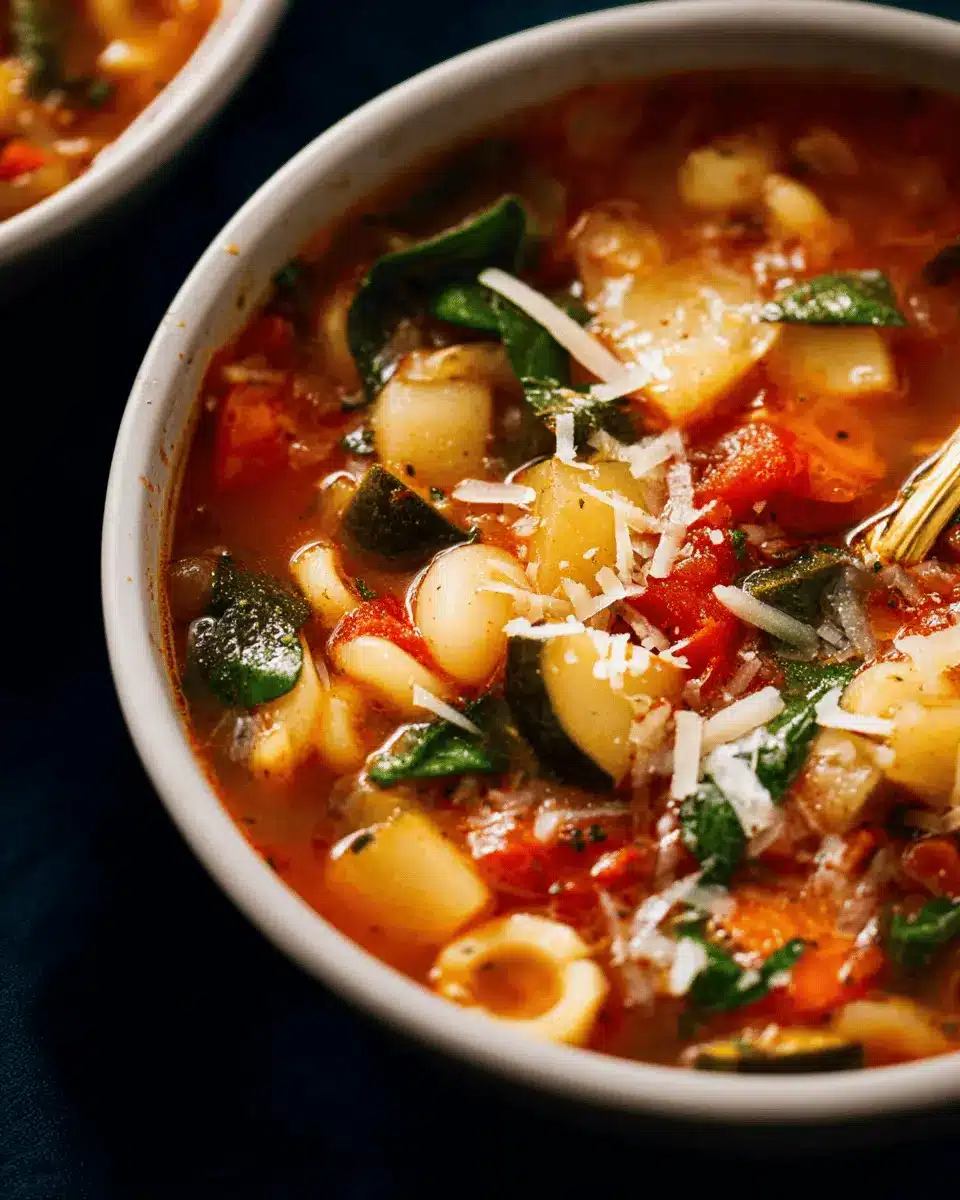
This step is where classic minestrone soup really comes together. Remove the lid and throw in 1 cup of small pasta (like orecchiette), 1 can of Great Northern beans, and 2 cups of baby spinach (or whatever greens you fancy). Continue to simmer uncovered for about 20 minutes until the pasta is al dente and the greens are wonderfully tender.
Finish with lemon juice and olive oil
Finally, take the pot off the heat and remove those bay leaves. Stir in 2 teaspoons of lemon juice and the remaining tablespoon of olive oil. Give it a taste; you might want to adjust seasoning with a bit more salt (about ¼ teaspoon should do) and pepper. Serve your soup hot, garnished with freshly grated Parmesan cheese if desired.
And there you have it! Your classic minestrone soup is ready to be enjoyed. Share it with friends or savor it solo—either way, it’s bound to warm your heart!
For more cooking inspiration, check out resources like The Kitchn or Serious Eats for tips and tricks!
Variations of Classic Minestrone Soup
When it comes to classic minestrone soup, the possibilities for variations are endless. Let’s explore a couple of exciting twists!
Vegan Twists on the Classic
Switching to a vegan approach? Simply omit the cheese and replace the broth with a robust vegetable stock. You can also add lentils or chickpeas for a protein boost, enhancing both flavor and texture. For an extra layer of taste, toss in some smoked paprika to mimic that savory depth you’d get from meat. This makes for a comforting, hearty meal that everyone will love.
Addition of Proteins like Turkey Bacon or Chicken Ham
Elevate your classic minestrone soup by incorporating proteins such as turkey bacon or chicken ham. Start by sautéing these ingredients along with your vegetables to release their flavors into the broth. Not only do they add richness, but they also bring a satisfying heartiness that rounds out this classic dish. For more tips on adapting recipes to fit your dietary needs, check out Healthline's guide on protein sources.
With these variations, your minestrone will suit any palate, making it a beloved staple in your kitchen!
Cooking Tips and Notes for Classic Minestrone Soup
Best practices for perfect texture
To achieve that delightful balance in your classic minestrone soup, start with fresh, in-season vegetables for a heartier bite. When cooking your pasta, ensure you add it closer to the end – this way, it remains al dente without overcooking. Consider using whole grain or gluten-free pasta options for added nutrition, and don't forget to stir frequently to prevent any sticking!
How to enhance flavors
Elevate your minestrone by incorporating a pinch of high-quality sea salt at various stages of cooking to deepen flavors. Consider adding a splash of lemon juice or acidic vinegar for brightness just before serving. Herbs like fresh basil or parsley can add a layer of freshness and aroma. If you love a little heat, feel free to toss in more red pepper flakes or a swirl of spicy olive oil for that extra kick.
For more tips and tricks on enhancing soup flavors, check out The Spruce Eats or Serious Eats!
Serving Suggestions for Classic Minestrone Soup
Ideal pairings for a complete meal
To elevate your classic minestrone soup, consider pairing it with a fresh, crusty bread, like a sourdough or ciabatta, perfect for dipping. A simple side salad with mixed greens and a light vinaigrette can balance the soup's heartiness while adding a refreshing crunch. For a little indulgence, think about topping your soup with crispy turkey bacon or chicken ham for an umami boost. It's quick, delicious, and a great way to introduce protein into your meal.
Creative serving ideas
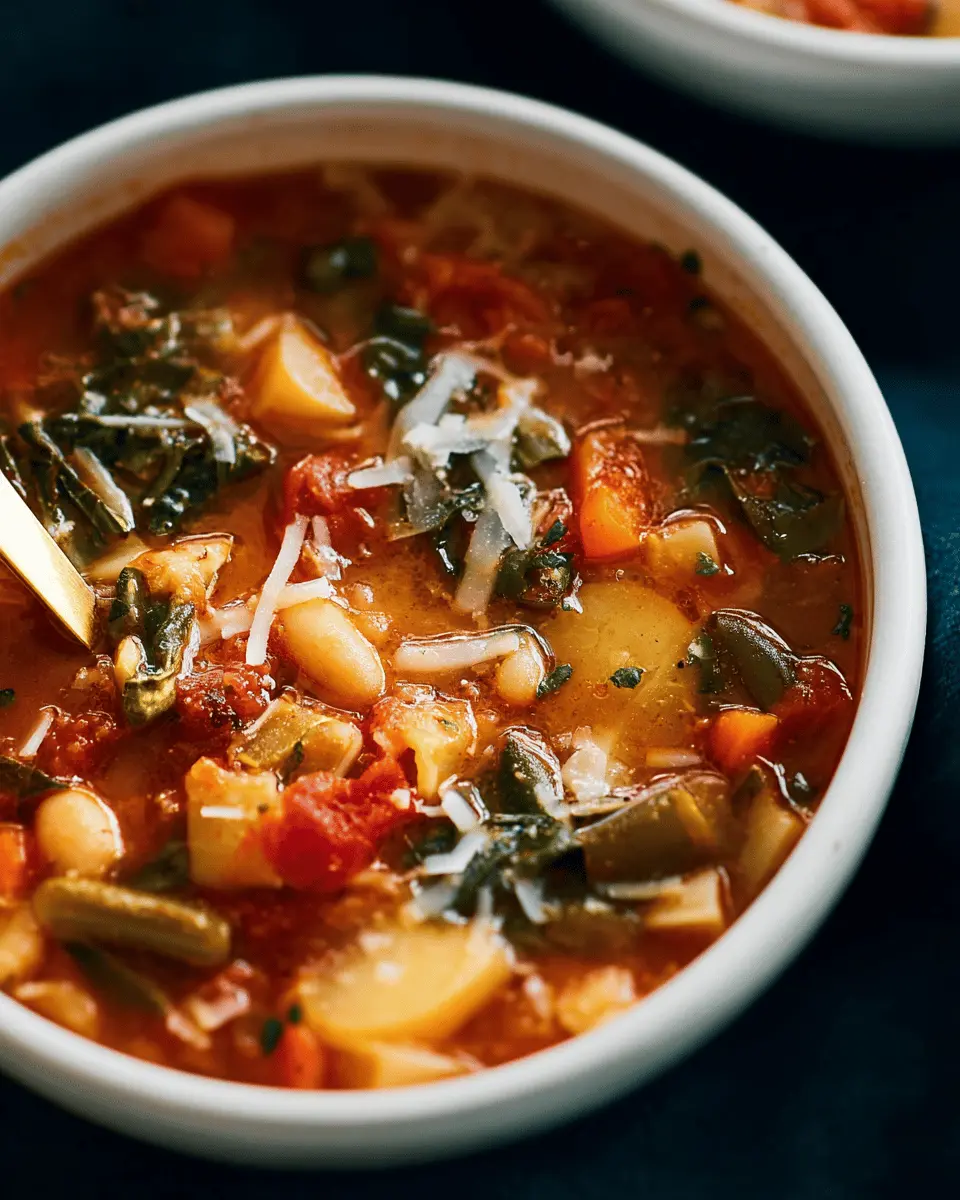
When it comes to serving, try garnishing your soup with freshly grated Parmesan cheese or a sprinkle of fresh herbs like basil or parsley for a lovely pop of color. Serve in rustic bowls for a cozy atmosphere or opt for casual mason jars for a fun, modern twist. For a complete experience, accompany your soup with a side of roasted vegetables or a simple antipasto platter, making it an inviting meal for friends or a satisfying family dinner.
Feel free to explore more ideas and tips on serving soup at Epicurious or Food Network.
Time Breakdown for Classic Minestrone Soup
Preparation time
Getting everything prepped for your classic minestrone soup takes about 15 minutes. Think of it as your time to chop veggies, measure ingredients, and gather your kitchen tools—perfect for setting the stage for deliciousness!
Cooking time
Once the prep is complete, you’ll invest about 35 minutes in cooking. Most of that is just letting the flavors meld and the ingredients come together in a comforting simmer.
Total time
In total, you’re looking at around 50 minutes from start to finish. It’s a manageable commitment for a hearty meal that will serve you well throughout the week!
For more details on making this delicious soup, check out The Spruce Eats for tips on cooking times and additional variations!
Nutritional Facts for Classic Minestrone Soup
Calories per serving
A satisfying bowl of classic minestrone soup typically contains around 200 calories per serving. This makes it a lighter choice that won't hinder your daily caloric intake while still providing plenty of flavor.
Protein content
Each serving boasts approximately 10 grams of protein, thanks to the hearty combination of beans and whole grain pasta. This makes it an excellent option for maintaining energy levels throughout your busy day!
Fiber and sodium levels
You'll find about 5 grams of dietary fiber per serving, which is fantastic for digestion. Meanwhile, the sodium content is around 600 mg, making it a relatively heart-healthy choice. You can further lower the sodium by chopping back on added salt and opting for low-sodium broth options.
By incorporating classic minestrone soup into your weekly meal rotation, you not only enjoy a delicious dish but also reap its nutritional benefits. Consider adding seasonal greens, like kale or spinach, to amplify the soup’s nutrient profile!
FAQs about Classic Minestrone Soup
Can I make minestrone soup in advance?
Absolutely! In fact, classic minestrone soup often tastes even better the next day as the flavors meld together. Simply cook the soup according to the recipe, let it cool, and store it in an airtight container in the refrigerator. It should keep well for about 3-4 days. For the best results, consider cooking the pasta separately and adding it just before serving to maintain its texture.
What can I substitute for the pasta?
If you're looking for a pasta alternative, consider using quinoa, farro, or even zoodles (zucchini noodles) for a gluten-free option. These choices add unique textures and flavors while still keeping the dish hearty and satisfying. If you're interested in grain-free options, check out this guide on various pasta substitutes here.
How do I store leftovers?
Leftovers of your classic minestrone soup can be stored in an airtight container in the fridge. Be sure to consume them within 3-4 days for the best quality. For longer storage, you can freeze the soup in individual portions. Just make sure to leave a little space at the top of the container, as liquids expand when frozen. To reheat, simply thaw overnight in the fridge, then warm on the stove or in the microwave. Enjoy your delicious meal again!
Conclusion on Classic Minestrone Soup
Making classic minestrone soup at home is a delightful way to enjoy a nourishing, hearty meal that’s packed with flavor and nutrients. Plus, the versatility of this recipe allows you to customize it with your favorite seasonal vegetables, making every batch unique. Dive in and explore your culinary creativity!
Why You Should Try Making This Soup at Home
There’s nothing quite like savoring a warm bowl of classic minestrone soup fresh from your kitchen. Not only is it a comforting dish, but it can also be a great way to use up any leftover veggies you have on hand. The health benefits of this soup are numerous; rich in fiber, vitamins, and minerals, it’s a delicious way to up your daily vegetable intake (Healthline).
Encouragement to Customize Your Soup Experience
One of the best parts about making minestrone is the freedom to customize! Don’t have baby spinach? Swap in kale or even Swiss chard. Prefer a bit of protein? Toss in some shredded chicken, turkey bacon, or beans for an extra punch. Experiment with herbs, spices, or even a splash of lemon for brightness—make it your own, and discover flavors that excite your palate.
In summary, whether you’re hosting a gathering or simply enjoying a cozy night in, a steaming pot of classic minestrone soup can elevate your experience. So roll up your sleeves and get cooking!

Classic Minestrone Soup
Equipment
- Dutch Oven
Ingredients
Base Ingredients
- 4 tablespoons extra-virgin olive oil divided
- 1 medium yellow onion chopped
- 2 medium carrots peeled and chopped
- 2 medium ribs celery chopped
- ¼ cup tomato paste
- 2 cups chopped seasonal vegetables (potatoes, yellow squash, zucchini, butternut squash, green beans or peas all work)
- 4 cloves garlic pressed or minced
- ½ teaspoon dried oregano
- ½ teaspoon dried thyme
- 1 large can diced tomatoes (28 ounces), with their liquid
- 4 cups vegetable broth (32 ounces)
- 2 cups water
- 1 teaspoon fine sea salt
- 2 leaves bay
- 1 pinch red pepper flakes
- Freshly ground black pepper
- 1 cup whole grain orecchiette or elbow or small shell pasta
- 1 can Great Northern beans or cannellini beans (15 ounces), rinsed and drained, or 1 ½ cups cooked beans
- 2 cups baby spinach or chopped kale or chopped collard greens
- 2 teaspoons lemon juice
- Freshly grated Parmesan cheese for garnishing (optional)
Instructions
Cooking Instructions
- Warm 3 tablespoons of the olive oil in a large Dutch oven or stockpot over medium heat. Once the oil is shimmering, add the chopped onion, carrot, celery, tomato paste and a pinch of salt. Cook, stirring often, until the vegetables have softened and the onions are turning translucent, about 7 to 10 minutes.
- Add the seasonal vegetables, garlic, oregano and thyme. Cook until fragrant while stirring frequently, about 2 minutes.
- Pour in the diced tomatoes and their juices, broth and water. Add the salt, bay leaves and red pepper flakes. Season generously with freshly ground black pepper.
- Raise heat to medium-high and bring the mixture to a boil, then partially cover the pot with the lid, leaving about a 1” gap for steam to escape. Reduce heat as necessary to maintain a gentle simmer.
- Cook for 15 minutes, then remove the lid and add the pasta, beans and greens. Continue simmering, uncovered, for 20 minutes or until the pasta is cooked al dente and the greens are tender.
- Remove the pot from the heat, then remove the bay leaves. Stir in the lemon juice and remaining tablespoon of olive oil. Taste and season with more salt and pepper until the flavors really sing. Garnish bowls of soup with grated Parmesan, if desired.




Leave a Reply