
Introduction to the Best Vegetable Lasagna
When it comes to comfort food, nothing beats a hearty serving of vegetable lasagna. But why choose homemade over store-bought versions? Second, making it yourself allows you to control the ingredients; you can pack it with seasonal veggies, adjust the spices, and cater to dietary preferences. Plus, there's something wonderfully satisfying about layering your own creation—a simple act that can turn into a delightful kitchen experience.
Homemade vegetable lasagna is more than just a meal; it’s an opportunity to connect with fresh ingredients and tastes. Studies show that cooking at home can be more nutritious, often providing health benefits by reducing preservatives and unhealthy additives (source: Harvard Health).
With each layer of creamy cottage cheese and sautéed vegetables, you’re building a flavorful dish that’s not only satisfying but also visually stunning. Imagine serving a steaming slice to friends or family, their eyes lighting up as they dig in. This is more than a recipe; it's a culinary project that brings everyone together. So, let’s dive into this best vegetable lasagna recipe—your taste buds will thank you!
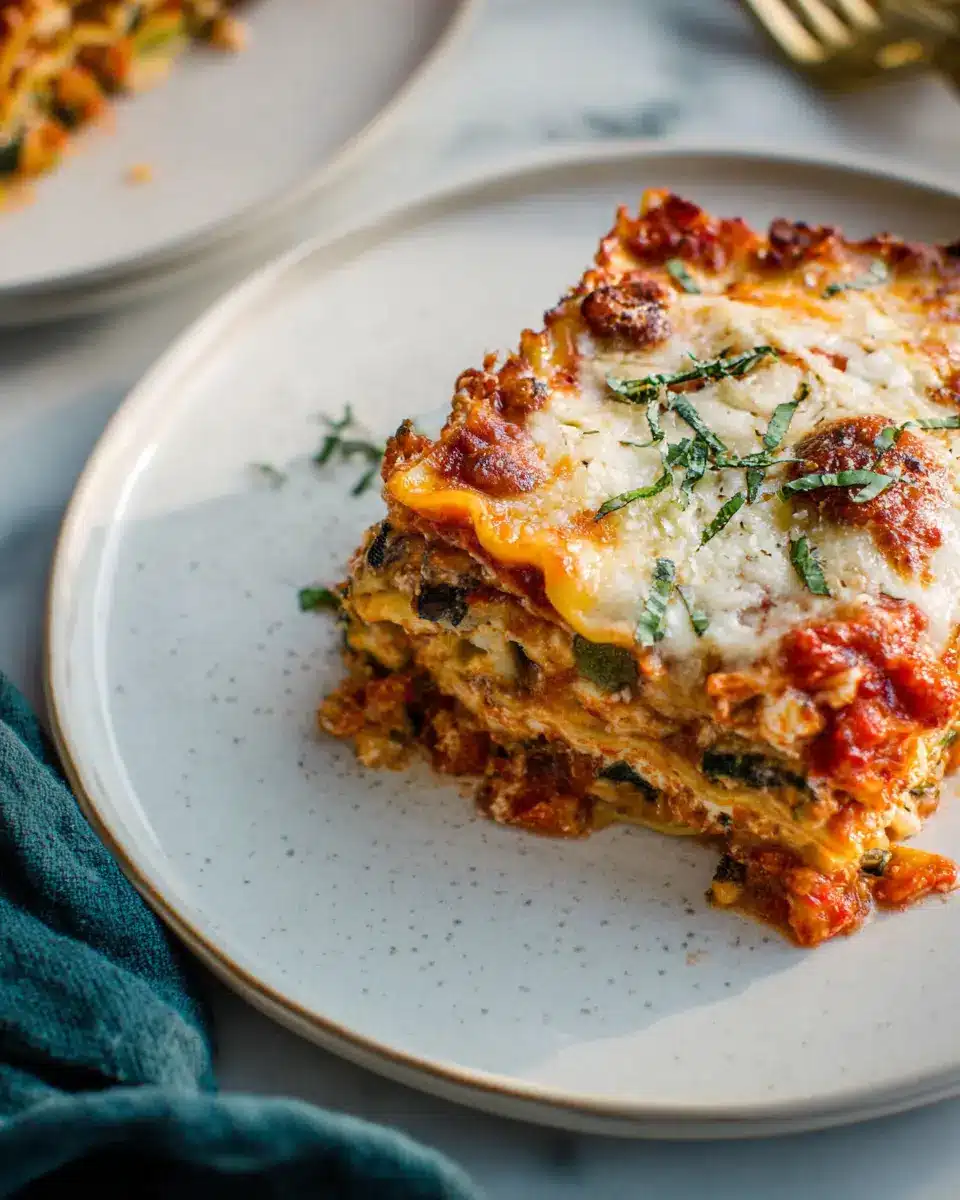
Ingredients for Best Vegetable Lasagna
Creating the best vegetable lasagna starts with the freshest ingredients. Let's break it down into key categories to make your shopping experience a breeze.
Fresh veggies and spinach
For a delightful burst of flavor and nutrients, gather these fresh vegetables:
- 2 tablespoons extra-virgin olive oil
- 3 large carrots, chopped
- 1 red bell pepper, chopped
- 1 medium zucchini, chopped
- 1 medium yellow onion, chopped
- ¼ teaspoon salt
- 5 to 6 ounces baby spinach
These vibrant vegetables will not only enhance the taste but also provide essential vitamins. Did you know incorporating more veggies can boost your immune system? (Healthline)
Tomato sauce ingredients
Haven't figured out the perfect sauce? Here’s what you’ll need:
- 1 large can (28 ounces) diced tomatoes
- ¼ cup roughly chopped fresh basil
- 2 tablespoons extra-virgin olive oil
- 2 cloves garlic, pressed or minced
- ½ teaspoon salt
- ¼ teaspoon red pepper flakes
This homemade sauce adds a fresh touch and elevates the flavor profile.
Other essential ingredients
Let’s not forget the final touches for your best vegetable lasagna:
- 2 cups (16 ounces) low-fat cottage cheese, divided
- ¼ teaspoon salt, to taste
- Freshly ground black pepper, to taste
- 9 no-boil lasagna noodles
- 8 ounces (2 cups) freshly grated low-moisture, part-skim mozzarella cheese
These staples will create the creamy layers that make this dish irresistible. Plus, choosing low-fat options makes it a bit healthier without sacrificing taste!
Preparing the Best Vegetable Lasagna
Making the best vegetable lasagna isn’t just about following a recipe; it’s about creating an experience in your kitchen that fills your home with mouthwatering aromas and brings loved ones together. Let’s dive into this delightful adventure step by step!
Preheat the Oven
Before you dive into assembling your layers of goodness, it’s crucial to get your oven ready. Preheat it to 425 degrees Fahrenheit. This ensures that when your lasagna goes in, it begins cooking evenly and thoroughly, resulting in that perfect golden-brown crust.
Prepare the Vegetables
The heart of any lasagna is its veggies, so let’s make them shine! In a large skillet over medium heat, warm up 2 tablespoons of extra-virgin olive oil. Once it’s shimmering, add in 3 large chopped carrots, 1 red bell pepper, 1 medium zucchini, and 1 medium yellow onion — sprinkle with ¼ teaspoon of salt to enhance their natural flavors. Cook these for about 8 to 12 minutes until they’re golden and tender. Finally, stir in 5 to 6 ounces of baby spinach and cook until wilted. This colorful medley is not just nutritious; it adds a lovely texture and flavor to your lasagna.
Make the Tomato Sauce
While your veggies are cooking, it’s time to whip up a quick tomato sauce. Drain a large can of 28 ounces diced tomatoes to remove excess juice, then blend them in a food processor with fresh basil, garlic, salt, and a pinch of red pepper flakes. This should take just about ten pulses to get to a nice, spreadable consistency. Check out more sauce-making tips here for a deeper dive into enhancing flavors!
Mix the Cottage Cheese and Veggie Blend
Next, let’s bring creaminess into the mix. Pour 1 cup of low-fat cottage cheese into the food processor and blend until smooth. Then, combine this with your finely chopped vegetables and more cottage cheese, seasoned with salt and freshly ground black pepper to taste.
Assemble the Lasagna
It’s time to layer all your hard work! Start by spreading ½ cup of tomato sauce at the bottom of your 9” x 9” baking dish. Layer 3 no-boil lasagna noodles, followed by half of your cottage cheese and veggie mixture. Then add ¾ cup of tomato sauce and ½ cup of mozzarella cheese. Repeat the layering, finishing with ¾ cup of sauce and a full cup of mozzarella on top.
Bake the Lasagna
Cover the lasagna with parchment or foil (avoid touching the cheese) and bake for 18 minutes. Remove the cover, rotate the dish, and bake for an additional 10 to 15 minutes until it’s bubbly and the top is slightly browned.
Once baked, let it cool for 15 to 20 minutes before slicing. Garnish with fresh basil, and get ready to impress everyone with your best vegetable lasagna!
This dish is not just a meal; it's an invitation to gather around the table and enjoy a slice of comfort. Happy cooking!
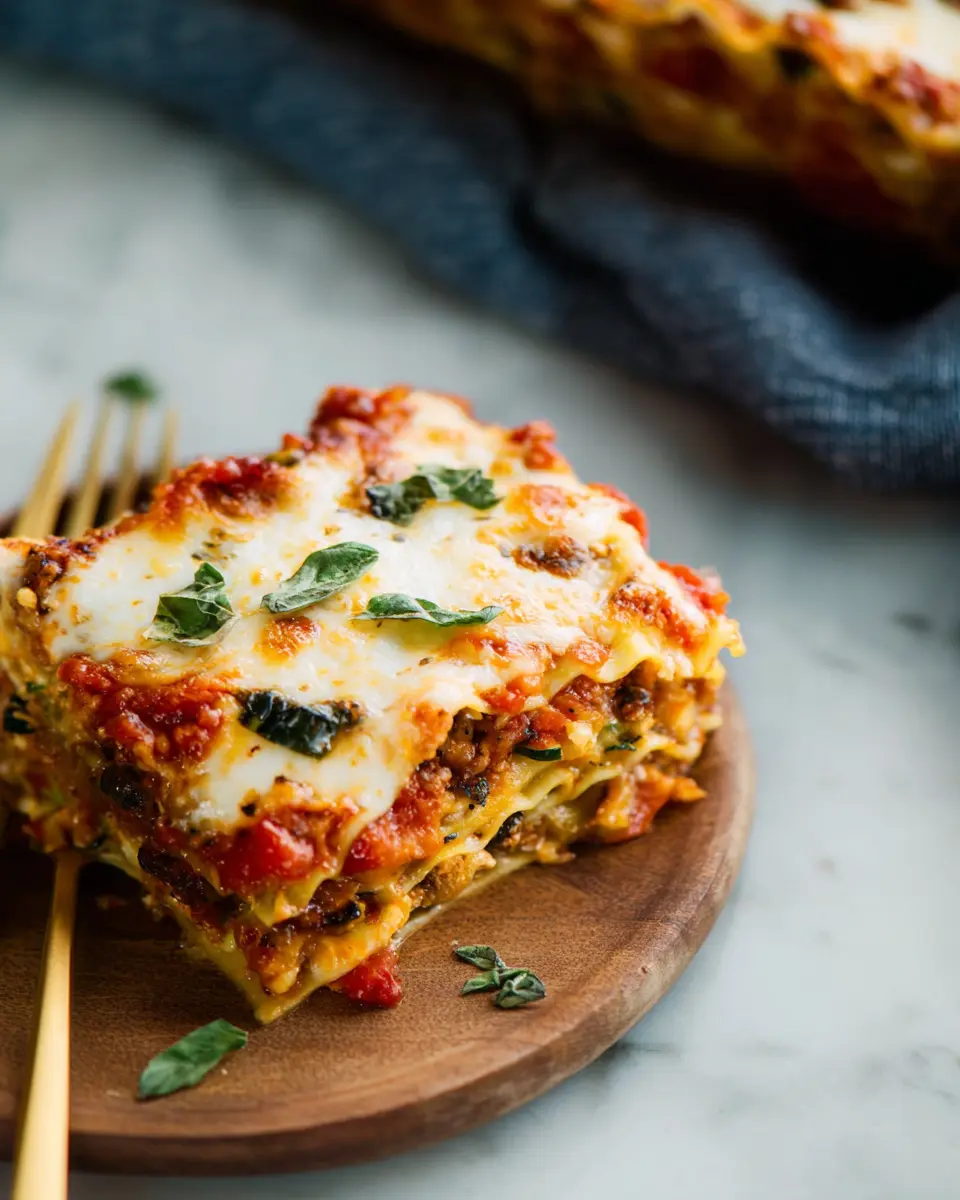
Variations on Best Vegetable Lasagna
When it comes to crafting the best vegetable lasagna, the possibilities are as rich and varied as the veggies you can include!
Add different vegetables
Don’t be afraid to get creative with your veggie selection! Swap in mushrooms, broccoli, or even sweet potatoes for a unique twist on the traditional flavors. Seasonal veggies like butternut squash can also add a comforting sweetness to your layers. Just remember to chop them into small pieces to ensure even cooking and a delightful texture!
Swap cheeses for variety
Cheese lovers, rejoice! You can effortlessly customize your lasagna by experimenting with different cheeses. Try using ricotta for a creamier texture or goat cheese for a tangy punch. Blending cheeses, like mixing mozzarella and parmesan, can elevate the flavor profile and create a delightful stretch with each cheesy slice.
With these variations, your best vegetable lasagna can be a new dining experience every time! Explore more about vegetable lasagna on sites like Taste of Home or Food Network for additional inspiration!
Cooking Notes for Best Vegetable Lasagna
When making the best vegetable lasagna, prep is key! Start by chopping your veggies in advance; not only does this save time, but it ensures they cook evenly. Opt for fresh, seasonal vegetables for the best flavor and nutrition. Don’t forget to drain the canned tomatoes well before blending, as too much juice can make your lasagna watery.
Experiment with different cheese blends, like a mixture of mozzarella and ricotta, for added creaminess. For serving, let it cool slightly; this helps the layers hold together beautifully.
Need more details? Check out this guide on vegetable nutrition for a deeper dive into your ingredients!
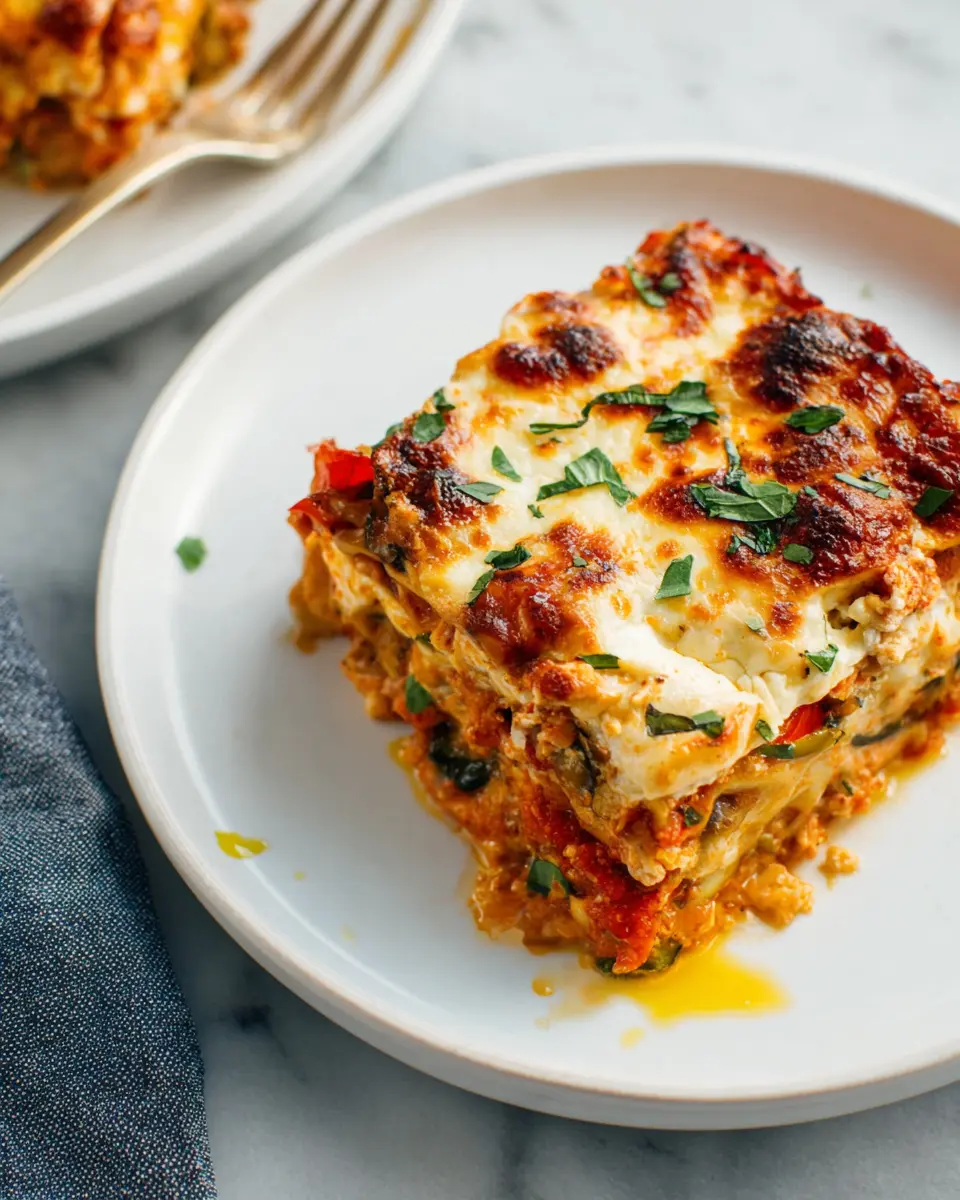
Serving Suggestions for Best Vegetable Lasagna
To elevate your best vegetable lasagna experience, consider serving it with a fresh green salad drizzled with a zesty lemon vinaigrette. The brightness of the dressing pairs beautifully with the rich layers of this lasagna.
For added flavor, bake some garlic bread on the side to soak up any leftover tomato sauce on your plate—delicious!
If you’re feeling adventurous, complement the dish with a glass of sparkling water infused with fresh herbs like basil or mint. This not only refreshes the palate but also enhances the overall meal. Your guests will appreciate the thoughtful touches!
For more ideas, check out these salad pairings or garlic bread recipes.
Tips for Making Perfect Best Vegetable Lasagna
Use No-Boil Noodles Effectively
Using no-boil noodles is a game-changer for your best vegetable lasagna. Ensure that you spread enough sauce between the layers; this will help the noodles absorb moisture while baking. If your sauce is on the thicker side, consider adding a splash of vegetable broth or water to keep everything juicy and prevent any dryness.
Ensure Proper Cooling Time Before Slicing
Cooling your lasagna for 15 to 20 minutes after baking is crucial. This allows the layers to set, making it much easier to slice and serve. If you're not patient, you may end up with a delicious, but messy, heap instead of neat slices. Trust us; the wait is worth it for those picture-perfect servings!
For more tips on cooking techniques and ingredient benefits, check out sources like The Kitchn or Serious Eats. Happy cooking!
Time Breakdown for Best Vegetable Lasagna
Preparation Time
Get your kitchen ready! You’ll spend about 20-25 minutes prepping the veggies and sauces. This includes chopping your vegetables and blending your cottage cheese for the creamy layers of this fantastic dish.
Cooking Time
Once everything is in place, the baking takes about 30-35 minutes. You'll be rewarded with a bubbling, cheesy masterpiece that's sure to impress.
Total Time
In just about 50-60 minutes, you can transform fresh ingredients into the best vegetable lasagna your friends and family will rave about! This dish not only delights the taste buds but also fills your kitchen with mouthwatering aromas, making it a rewarding experience.
For more tips on meal prepping and timing, check out this resource or this article for ideas on ingredient preparation!
Nutritional Facts for Best Vegetable Lasagna
When you're craving comfort food that won't derail your healthy eating goals, look no further than this best vegetable lasagna. Here are some quick nutritional highlights:
Calories per serving
Each serving contains approximately 300 calories, making it a satisfying yet guilt-free option for lunch or dinner.
Protein content
You can expect about 20 grams of protein per serving, thanks to the cottage cheese and mozzarella, which helps keep you full and energized throughout the day.
Sodium levels
With roughly 500 milligrams of sodium per serving, this lasagna is crafted for flavor while still being mindful of your sodium intake—great for those watching their salt!
For more details on healthy eating practices, feel free to check out the American Heart Association, where you'll find plenty of resources to help you maintain a balanced diet.
FAQs about Best Vegetable Lasagna
Can I use whole wheat noodles?
Absolutely! Whole wheat noodles are a fantastic substitute for regular lasagna noodles in this best vegetable lasagna recipe. They not only add a nutty flavor but also increase the fiber content, making your meal even healthier. Just ensure they're the no-boil variety, as that will maintain the dish's texture and reduce prep time.
How do I store leftover lasagna?
To keep your delicious leftovers fresh, store any uneaten vegetable lasagna in an airtight container in the refrigerator. It can last for about 3 to 5 days. Alternatively, you can freeze portions for up to 3 months. Just let it cool completely before wrapping it well in plastic wrap or aluminum foil.
Can I make this vegetarian-friendly?
While this best vegetable lasagna is already packed with vegetables, you can enhance its vegetarian profile by using plant-based cheeses or opting for a dairy-free cottage cheese alternative. Feel free to experiment with more of your favorite veggies, too! For more tips on vegetarian cooking, the Vegetarian Society has a wealth of resources.
Conclusion on Best Vegetable Lasagna
In summary, this best vegetable lasagna recipe offers a delicious, hearty meal packed with fresh flavors and wholesome ingredients. It's perfect for both busy weeknights and special gatherings. Give it a try, and you might just impress your friends with your culinary skills—plus, you'll enjoy every flavorful bite!

Best Vegetable Lasagna
Equipment
- skillet
- Food Processor
- Baking dish
Ingredients
Veggies and Spinach
- 2 tablespoons extra-virgin olive oil
- 3 large carrots, chopped (about 1 cup)
- 1 medium red bell pepper, chopped
- 1 medium zucchini, chopped
- 1 medium yellow onion, chopped
- 0.25 teaspoon salt
- 5 to 6 ounces baby spinach
Tomato Sauce
- 1 large can diced tomatoes (28 ounces)
- 0.25 cup fresh basil, roughly chopped + additional for garnish
- 2 tablespoons extra-virgin olive oil
- 2 cloves garlic, pressed or minced
- 0.5 teaspoon salt
- 0.25 teaspoon red pepper flakes
Remaining Ingredients
- 2 cups low-fat cottage cheese , divided (16 ounces)
- 0.25 teaspoon salt , to taste
- freshly ground black pepper , to taste
- 8 ounces freshly grated low-moisture, part-skim mozzarella cheese (2 cups)
Instructions
Preparation
- Preheat the oven to 425 degrees Fahrenheit.
- In a large skillet over medium heat, warm the olive oil. Once shimmering, add the carrots, bell pepper, zucchini, yellow onion, and salt. Cook, stirring every couple of minutes, until the veggies are golden on the edges, about 8 to 12 minutes.
- Add a few large handfuls of spinach. Cook, stirring frequently, until the spinach has wilted. Repeat with remaining spinach and cook until all of the spinach has wilted, about 3 minutes. Remove the skillet from the heat and set aside.
- Pour the tomatoes into a mesh sieve or fine colander and drain off the excess juice for a minute. Transfer the drained tomatoes to the bowl of a food processor. Add the basil, olive oil, garlic, salt, and red pepper flakes.
- Pulse the mixture about 10 times, until the tomatoes have broken down to an easily spreadable consistency. Pour the mixture into a bowl for later (you should have a little over 2 cups sauce). Rinse out the food processor and return it to the machine.
- Pour half of the cottage cheese (1 cup) into the processor and blend until smooth, about 1 minute. Transfer the mixture to large mixing bowl. No need to rinse out the bowl of the food processor this time; just put it back onto the machine because you’ll need it later.
- Transfer the cooked veggies and spinach mixture to the bowl of the food processor. Pulse until they are more finely chopped (but not puréed!), about 5 to 7 times, stopping to scrape down the sides as necessary. Transfer the mixture to the bowl of whipped cottage cheese.
- Top with the remaining cottage cheese, then add ¼ to ½ teaspoon salt (to taste) and lots of freshly ground black pepper. Stir to combine. Now it’s lasagna assembly time!
- Spread ½ cup tomato sauce evenly over the bottom of a 9” by 9” baking dish. Layer 3 lasagna noodles on top (snap off their ends to fit, and/or overlap their edges as necessary). Spread half of the cottage cheese mixture evenly over the noodles. Top with ¾ cup tomato sauce, then sprinkle ½ cup shredded cheese on top.
- Top with 3 more noodles, followed by the remaining cottage cheese mixture (we’re skipping the tomato sauce in this layer). Sprinkle ½ cup shredded cheese on top.
- Top with 3 more noodles, then spread ¾ cup tomato sauce over the top (you may have a little sauce leftover) to evenly cover the noodles. Sprinkle evenly with 1 cup shredded cheese.
- Wrap a sheet of parchment paper or foil around the top of the lasagna (don’t let it come into contact with the cheese). Bake, covered, for 18 minutes, then remove the cover, rotate the pan by 180° and continue cooking for about 10 to 15 more minutes, until the top is turning spotty brown.
- Remove from oven and let the lasagna cool for 15 to 20 minutes, so it has time to set and cool down to a reasonable temperature. Sprinkle additional basil over the top, then slice and serve.




Leave a Reply