
Introduction to Basque Cheesecake
What is Basque Cheesecake and why is it so popular?
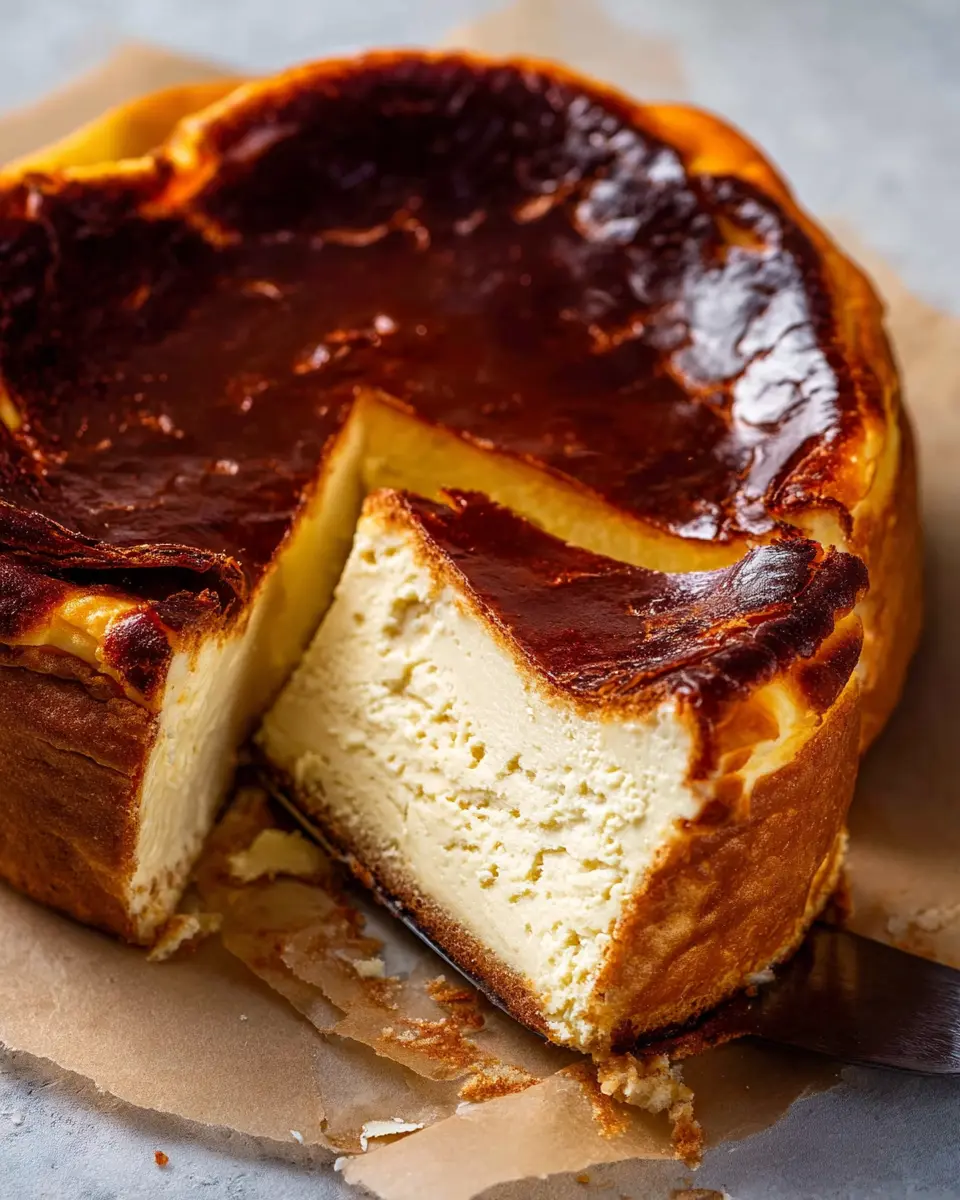
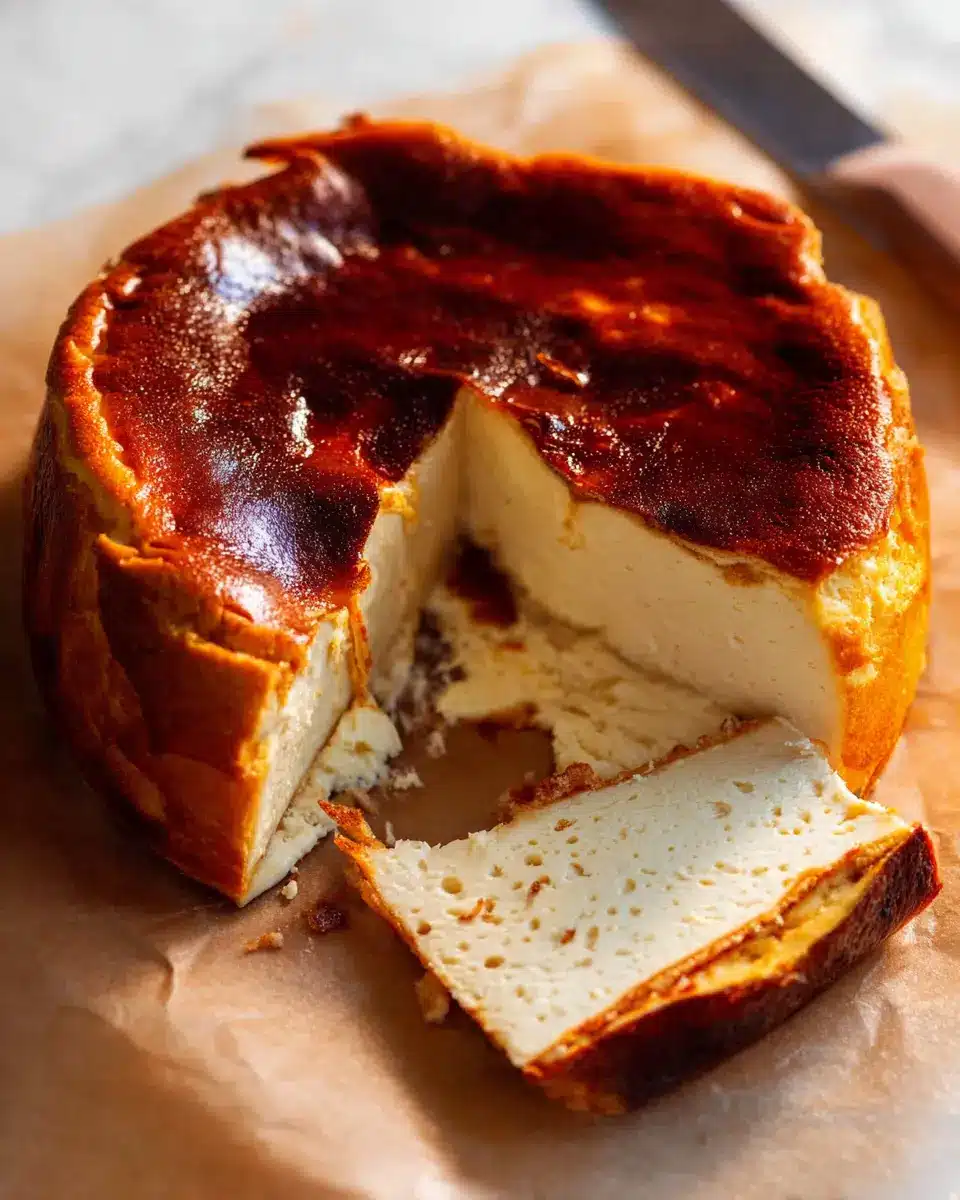
Have you ever encountered a dessert so unique that it makes your mouth water just at the thought of it? Enter the Basque Cheesecake, an effortless yet stunningly delicious creation that hails from the Basque region of Spain. What sets this cheesecake apart is its deliciously burnt top, which adds a rich flavor and intriguing texture to the creamy interior. Unlike traditional cheesecakes, which can often be overly sweet and dense, the Basque version embraces imperfections, showcasing a rustic, free-spirited vibe.
So why has Basque Cheesecake captured the hearts (and taste buds) of so many? Its appeal lies not only in its rich flavor but also in its simplicity—made with a handful of ingredients, it embodies the essence of comfort food. Minimal fuss, maximum flavor! Plus, it pairs beautifully with your favorite coffee or tea, making it perfect for gatherings or your own quiet moments.
If you’re curious to dive deeper into the world of Basque desserts, consider learning more about their rich culinary traditions here. Ready to indulge? Let’s get started on this delicious journey!
Ingredients for Basque Cheesecake
Choosing the Right Cream Cheese
To create a truly decadent Basque cheesecake, the cream cheese you select plays a pivotal role. I’ve found that sticking to blocks—specifically, Philadelphia brand—is a reliable choice. It ensures that your cheesecake has a smooth texture and delightful flavor. Avoid low-fat options! They just won’t set properly, leaving you frustrated after all your hard work.
Other Essential Ingredients
Your Basque cheesecake will also require a few key ingredients to reach that perfectly creamy consistency:
- Sugar: Caster or superfine sugar works best, but regular white sugar can suffice in a pinch.
- Whipping Cream: Ensure it can be whipped and take it out of the fridge 15 minutes before use to help it blend seamlessly with the other ingredients.
- Flour: Regular plain or all-purpose flour gives structure without altering the flavor.
- Vanilla Extract: Using vanilla bean paste or extract adds a rich, aromatic touch.
- Eggs: You’ll need about 4-5 large eggs, lightly whisked at room temperature. Measuring them precisely helps maintain that soft, luscious texture.
For more tips and insights, feel free to check out this guide on cream cheese selections for extra guidance!
Preparing Basque Cheesecake
Making Basque Cheesecake is not only a delicious endeavor but also a fun one! With its unique burnt exterior and creamy interior, this dessert is sure to impress your friends and family. Here’s a step-by-step guide to help you navigate the process with ease.
Preheat the oven and prep the pan
Start by preheating your oven to 220°C (425°F), positioning the shelf in the middle. This temperature is key for creating that wonderfully caramelized crust. While the oven warms up, grab a 20cm (8-inch) springform pan and prepare it for the batter. It’s a bit unconventional, but scrunch up two sheets of parchment paper into an "X" shape, fitting them into the pan. This creates a rustic look that’s characteristic of Basque Cheesecake. The batter will weigh the paper down, so don’t stress if it doesn’t sit perfectly.
Mix the cream cheese and sugar
In a large mixing bowl, beat 750 grams of room-temperature cream cheese on medium speed for about two minutes. The aim is to achieve a smooth, lump-free mixture. Once that’s done, gradually add in your cup of caster sugar, mixing on low speed. This gentle approach ensures you won’t over-aerate your batter, which can lead to unwanted air bubbles in your final product.
Prepare the cream and flour mixture
In a separate bowl, combine ¼ cup of flour with about ¼ of your whipping cream, whisking until it forms a smooth paste. Once that’s achieved, slowly pour in the remaining 1 ¼ cups of cream and add one teaspoon of vanilla bean extract. Whisk until it’s all well incorporated. Remember, your goal here isn’t to make whipped cream — you want it to be pourable.
Combine mixtures carefully
As you’re mixing your cheesecake batter, it’s crucial to do so gently. Slowly pour your cream mixture into the cream cheese while the beater is on low speed. After it’s somewhat combined, add in your lightly whisked eggs (three-quarters of a cup plus one tablespoon) while continuing to mix on low. It’s important to stop mixing as soon as the eggs are incorporated to keep your batter smooth and creamy.
Bake the cheesecake and manage bake time
Pour your batter into the prepared springform pan, tapping it on the counter to release any air bubbles. The baking time for your Basque Cheesecake can range from 45 to 65 minutes. You’re looking for a deeply golden top, but don’t worry if the center remains a bit wobbly — that’s exactly what you want! Keeping an eye on it during the last 15 minutes will help ensure it achieves that perfect color without burning.
With these steps, you’ll be well on your way to creating a showstopper Basque Cheesecake that will have everyone clamoring for seconds! Enjoy the delicious process!
Variations on Basque Cheesecake
Chocolate Basque Cheesecake
For chocolate lovers, a Chocolate Basque Cheesecake is a delightful twist on the classic version. Simply melt high-quality dark chocolate and fold it into the cheesecake batter before baking. This luscious addition gives a rich, decadent flavor that beautifully complements the cake's creamy texture. You can also sprinkle some chocolate shavings on top before serving for an extra touch of elegance. Trust me; it’s a delightful treat for any chocolate enthusiast!
Fruit-topped Basque Cheesecake
To brighten up your Basque Cheesecake, consider a fresh fruit topping. Berries, such as raspberries or strawberries, add a vibrant, tart contrast that balances the cheesecake's richness. Simply arrange the fruit on top just before serving for a pop of color and freshness. If you're feeling adventurous, consider a drizzle of honey or a spritz of citrus juice to elevate the flavors even more. This variation not only looks stunning but is also a great way to enjoy seasonal produce.
Baking Notes for Basque Cheesecake
Avoiding Air Bubbles in the Batter
Creating the perfect Basque cheesecake requires a smooth, bubble-free batter. To achieve this, mix the cream cheese gently to minimize air incorporation. When you add the flour and cream, whisk until combined but don’t overbeat. After pouring the batter into the prepared pan, give it a good tap on the counter and run a knife through any bubbles on the surface. This simple step helps you achieve that famous golden top without unsightly imperfections.
Importance of Ingredient Temperature
Using room temperature ingredients is crucial for a successful Basque cheesecake. Cold cream cheese or eggs can cause lumps or an uneven texture. Let your cream cheese and eggs sit out for about 30 minutes before starting your batter. This ensures a smooth blend, allowing the flavors to meld beautifully as you bake. Plus, it helps prevent overmixing, a common culprit for air bubbles! For more on ingredient temperature, check out this article from King Arthur Baking on the science behind baking.
Serving Suggestions for Basque Cheesecake
Serving Plain vs. Topped
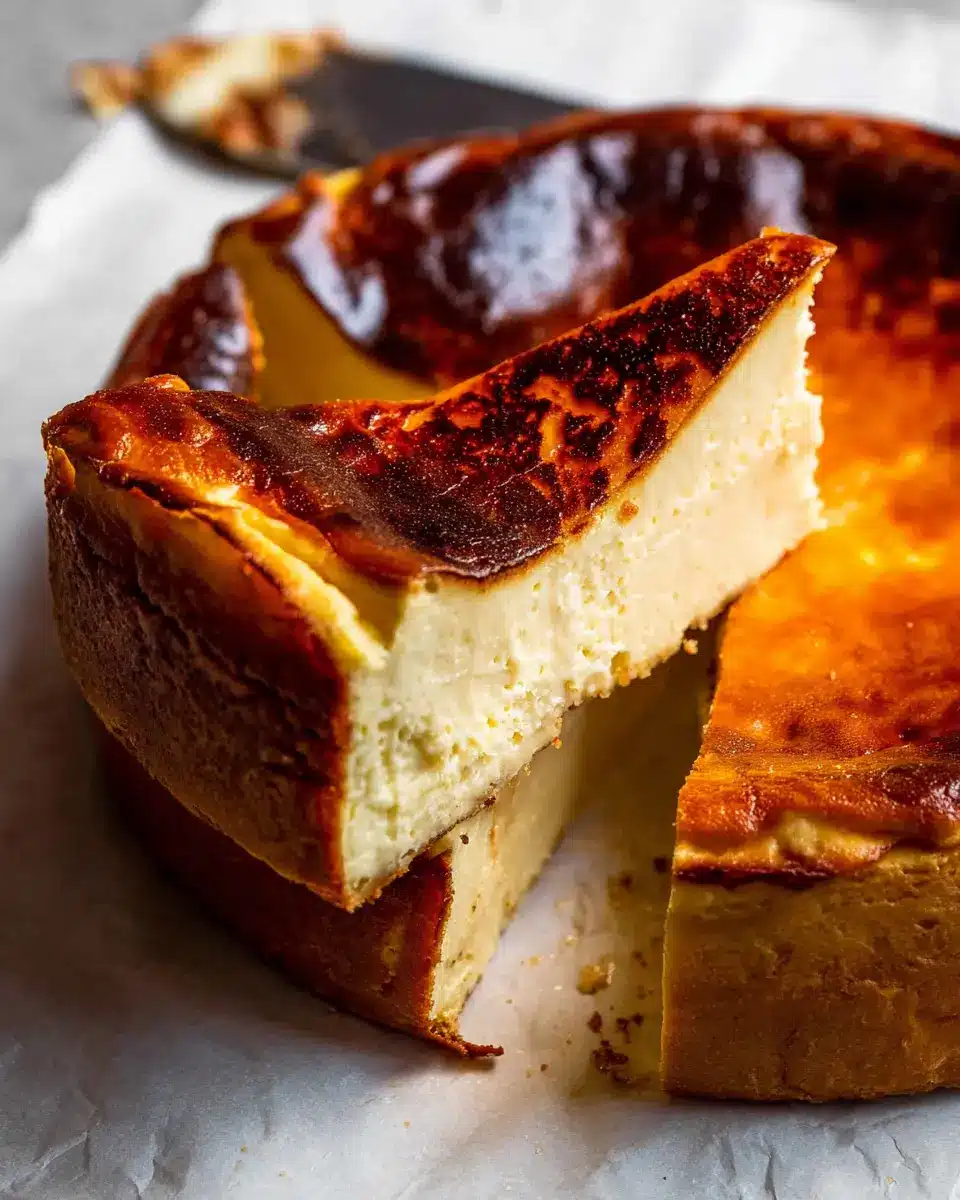
When it comes to serving your Basque Cheesecake, you truly can't go wrong. The rich, creamy texture and slightly caramelized exterior make it delightful on its own. However, if you want to elevate it further, consider topping it with fresh berries or a drizzle of honey. These additions can provide a beautiful contrast and enhance the overall flavor profile.
Ideal Accompaniments
For a complete experience, pair your Basque Cheesecake with a cup of freshly brewed coffee or some herbal tea. A sprinkle of chopped nuts or a dollop of whipped cream can also add an elegant touch. Looking for something extra? Serve it alongside a fruit compote to lend a refreshing sweetness that complements the cheesecake's depth. If you’re interested in more dessert pairing ideas, check out this guide from The Spruce Eats.
By exploring these serving suggestions, you can customize your Basque Cheesecake experience, making it perfect for any occasion!
Tips for making perfect Basque Cheesecake
Key baking and cooling tips
To achieve that signature creamy texture of a Basque Cheesecake, focus on the baking process. Ensure your oven is preheated to the right temperature (220°C / 425°F) for at least 30 minutes before baking. This helps achieve that beautifully browned crust. Once baked, let the cheesecake cool in the pan on the countertop for about 2 hours. Don’t stress if it sinks a bit—it’s normal! For best results, refrigerate uncovered for at least 8 hours; this allows flavors to meld beautifully.
Importance of chilling before serving
Chilling your Basque Cheesecake is crucial to achieving the ideal texture. After cooling it on the counter, place it in the fridge overnight. This not only firms up the cake but also enhances its rich flavors. Serve it at room temperature for a creamy consistency, or cool for a refreshing treat. It’s a great conversation starter and a dessert that keeps giving, as the flavors continue to improve over the days! For more tips on achieving a velvety cheesecake, check out this comprehensive guide.
Time details for Basque Cheesecake
When making the perfect Basque Cheesecake, timing is everything! Here’s a breakdown to keep you on track:
Preparation time
Gathering all your ingredients and prepping the pan will take approximately 15 minutes. This is the time to shine in the kitchen!
Baking time
Bake your Basque Cheesecake for 45 to 65 minutes. You'll notice a beautiful deep golden color forming on top when it's ready!
Chilling time
Patience is key! Let the cheesecake cool on the counter for 2 hours and then chill it in the fridge for at least 8 hours (overnight if possible). This will enhance its creamy texture and flavor!
By following these time suggestions, you’ll create a delightful dessert that’s worth every minute of anticipation! For more tips and tricks, check out King Arthur Baking, a great resource for bakers at all levels.
Nutritional Information for Basque Cheesecake
When indulging in a slice of Basque Cheesecake, it’s handy to know what you’re treating yourself to. Here's a quick breakdown of the nutritional content per serving:
- Calories: 398 cal
- Protein: 7 g
- Fats: 32 g
This cheesecake, while rich and delightful, also contains vital nutrients and can be a satisfying dessert option. If you're curious about how it fits into your daily diet or looking for healthier dessert alternatives, you can explore more on NutritionData or consult Healthline. Enjoy the creamy goodness with an informed choice!
FAQs about Basque Cheesecake
What makes Basque Cheesecake different from regular cheesecake?
The standout feature of Basque Cheesecake is its delightful burnt top, which gives it a unique flavor and texture. Unlike traditional cheesecakes that are usually smooth and creamy with a subtle browning on top, this charming dessert has a rustic appearance and a rich, caramelized crust. It’s typically made with fewer ingredients, retaining a simple yet indulgent flavor profile, and is baked at a higher temperature to achieve that beautiful, charred exterior.
How do I avoid cracks on the surface?
To avoid cracks on your Basque Cheesecake, here are a few tips:
- Don’t overbeat your batter: Mix just until combined to minimize air bubbles.
- Cool gradually: Allow the cheesecake to cool at room temperature before refrigerating. Rapid temperature changes can lead to cracks.
- Use room temperature ingredients: This helps ensure a smoother batter that bakes evenly.
Can I use low-fat cream cheese?
While it might be tempting to opt for low-fat cream cheese, it’s best to stick with full-fat versions for Basque Cheesecake. Low-fat options may not set properly, leading to a less desirable texture and flavor. For the best results, go for high-quality cream cheese, like Philadelphia, for that creamy indulgence!
For more tips and tricks on perfecting your cheesecake, check out this detailed guide on cheesecake baking.
Conclusion on Basque Cheesecake
In recap, the Basque Cheesecake is a must-try dessert for its unique combination of creamy texture and caramelized exterior that tantalizes the taste buds. Whether enjoyed chilled or at room temperature, this indulgent treat is a delightful finale to any meal—one bite will surely make you a lifelong fan!
For more sweet inspirations, check out our article on dessert styling or learn tips on baking basics.
Basque Cheesecake
Equipment
- springform pan
- Mixing bowls
- hand whisk
- electric mixer
Ingredients
- 750 g cream cheese blocks room temperature (I use Philadelphia)
- 1 cup caster sugar regular white sugar ok too
- 1.25 cups whipping cream take out of fridge 15 minutes prior
- 0.25 cup flour plain/all-purpose
- 1 teaspoon vanilla bean extract or paste
- ¾ cups lightly whisked eggs at room temperature, ~4-5 large eggs
Instructions
- Preheat oven to 220°C / 425°F (200°C fan) with the shelf in the middle.
- Press 2 x 40cm/16" sheets of scrunched up baking/parchment paper arranged in an "X" into a 20cm/8" springform pan.
- Beat the cream cheese in a large bowl on medium speed for 2 minutes until smooth.
- Add sugar and beat on low speed for 10 seconds.
- Combine ¼ of the cream and all the flour in a medium bowl and whisk until lump-free.
- Slowly pour in the remaining cream while whisking, and then add vanilla.
- Slowly pour the cream mixture into the cream cheese bowl, then eggs, while beating on low.
- Pour into the prepared pan, bang the pan on the counter and pop bubbles that rise.
- Bake for 45 minutes or until the surface is deep golden brown.
- Cool in the cake pan for at least 2 hours, then refrigerate for a minimum of 8 hours, uncovered.
- Release the sides of the springform pan and serve.

Leave a Reply