
Introduction to No-Knead Ciabatta Bread
Making homemade bread can seem daunting, especially for young professionals juggling busy schedules and work commitments. However, this no-knead ciabatta bread recipe is not only simple but also incredibly rewarding! Imagine the aroma of freshly baked bread filling your kitchen on a lazy Sunday or as a delightful addition to a weeknight dinner.
Why No-Knead Ciabatta is Perfect for Young Professionals
- Minimal Effort: This recipe is a game changer. With just a few ingredients and minimal active preparation time, you can enjoy warm, crusty ciabatta without spending hours in the kitchen.
- Flexible Timing: The dough benefits from an overnight cold fermentation, allowing you to prepare it one night and bake it the next day. This flexibility fits perfectly into a busy lifestyle. Just think—you can make delicious bread while you’re focused on other tasks.
- Impressive Results: Ciabatta has a beautiful open crumb structure and a golden crust, making it a great food to impress your friends and family. It’s perfect for sandwiches, serving alongside soups, or simply enjoying with a drizzle of olive oil.
By embracing this no-knead ciabatta bread recipe, you can elevate your culinary skills without compromising your time. Ready to dive in? Let's get baking!
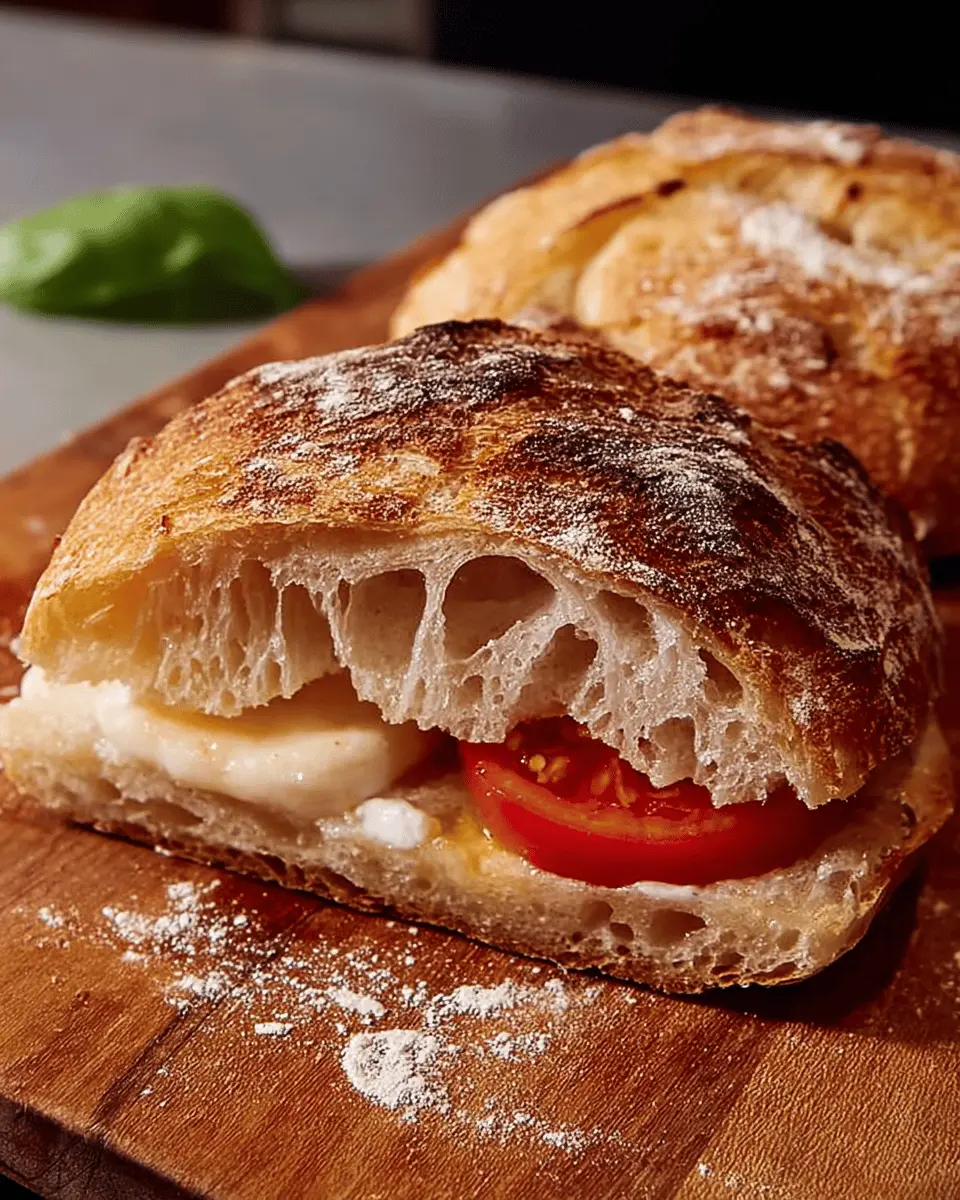
Ingredients for No-Knead Ciabatta Bread
If you're as excited as we are to whip up a no-knead ciabatta bread recipe, then gather your ingredients! This bread promises a delightful crust and airy interior, thanks to its simple yet effective components. Here’s what you’ll need:
-
1⅔ cups (400g) lukewarm water
Aim for a temperature between 80°F and 100°F (27°C to 37°C). This warmth encourages yeast activation, essential for that lovely rise. -
1½ teaspoon (9g) salt
A pinch or two of salt enhances flavor and strengthens the dough structure. -
2 teaspoon (7g) dry yeast
Any dry yeast will do! This tiny powerhouse initiates fermentation, giving your ciabatta its airy texture. -
3¼ cups (450g) strong flour
Look for flour with around 13% protein content. This high-protein flour helps form that coveted chewy crust.
Don't forget to keep extra flour handy for dusting your work surfaces! With these ingredients, you're well on your way to creating artisanal bread right at home. Happy baking! If you want to learn more about flour types, check out King Arthur Baking.
Preparing No-Knead Ciabatta Bread
Making homemade no-knead ciabatta bread can seem daunting, but with just a few simple steps, you can achieve bakery-level quality. This bread is not only delicious but also boasts a satisfyingly chewy texture and a crisp crust. Let’s dive into the preparation process!
Gather Your Ingredients
Before you begin, make sure you have everything you need for your ciabatta bread recipe. Here’s what you’ll require:
- 1⅔ cups (400g) lukewarm water (80°F to 100°F)
- 1½ teaspoon (9g) salt
- 2 teaspoon (7g) dry yeast
- 3¼ cups (450g) strong flour (look for flour with around 13% protein)
- Additional flour for dusting
Having these ingredients ready will make your process smoother and more enjoyable—trust me!
Combine Water, Salt, and Yeast
In a large bowl, mix the lukewarm water, salt, and yeast. A common misconception is that salt can kill yeast, but don’t fret; mixing them this way won’t harm the yeast. Using a square bowl can be particularly helpful for shaping the dough later on. If you have one, pull out a 9 x 9 inch square glass bowl to make your life easier.
Add Flour and Create the Dough
Once you've combined the water, salt, and yeast, it’s time to add the flour! Mix well using a fork to form a very wet, shaggy dough. Don't be intimidated by the stickiness—a wet dough is key to achieving that lovely ciabatta texture. Cover the bowl with a lid or a damp cloth and let it rest for 30 minutes to allow the flour to hydrate fully.
Stretch and Fold Technique
Now comes the fun part—the stretch and fold technique. This method helps develop gluten without the need for traditional kneading. Over the next couple of hours, perform four rounds of stretching and folding. Grab one side of the dough, stretch it, and fold it over to the opposite side. Rotate the bowl a quarter turn and repeat until you’ve folded all sides. Cover and allow it to rest for another 30 minutes after each series.
Cold Fermentation Overnight
Finally, once you’ve completed your stretch and folds, cover your bowl with plastic wrap and pop it in the fridge overnight. This cold fermentation is crucial—it enhances the flavor and makes shaping easier. Plus, there’s something exciting about waking up to dough that has developed beautifully overnight, waiting to become your ideal ciabatta.
By following these steps, you're well on your way to baking an incredible no-knead ciabatta bread. Can you imagine the smell of freshly baked bread wafting through your kitchen? Stay tuned for the next steps, where we’ll guide you through shaping and baking your lovely loaves!
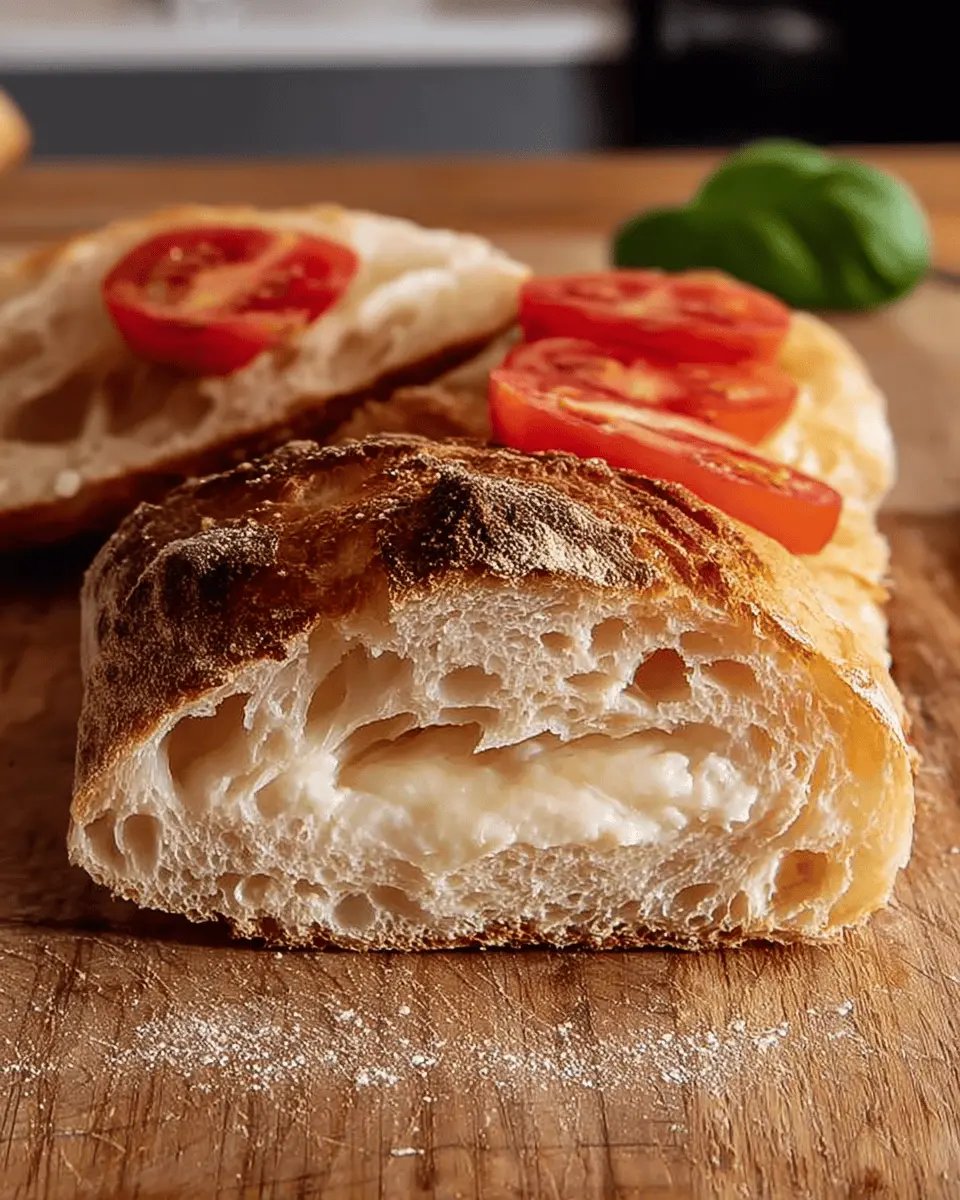
Variations on No-Knead Ciabatta Bread
Herb-Infused Ciabatta
Want to elevate your no-knead ciabatta bread recipe? Try incorporating fresh or dried herbs! Just mix in a tablespoon of your favorite herbs—like rosemary, thyme, or oregano—when you combine the flour. This simple addition will create a fragrant, flavorful loaf perfect for pairing with soups and salads or enjoying on its own.
Garlic and Cheese Ciabatta
If you’re a fan of savory flavors, consider making garlic and cheese ciabatta. Add minced garlic (about 2-3 cloves) and a cup of shredded cheese—such as Gruyère or mozzarella—when mixing the flour and water. Not only will this enhance your bread, but it will also make your kitchen smell heavenly while baking! Check out more variations here.
Experimenting with flavors can turn a classic loaf into something uniquely yours!
Baking Tips for No-Knead Ciabatta Bread
Using a Pizza Stone
For the best results with your no-knead ciabatta bread recipe, invest in a quality pizza stone. This kitchen staple retains heat exceptionally well, allowing your loaves to bake evenly. Preheat the stone in your oven at 450°F for at least 30 minutes before baking. If you don’t have a pizza stone, a large baking tray will work, but know that the texture might vary a bit.
Importance of Steam in Baking
Don’t underestimate the role of steam when baking ciabatta! Creating a steamy environment in your oven helps achieve that characteristic crust. To do this, simply toss a handful of ice cubes into the bottom of the oven right after your dough goes in. This burst of steam will help the bread rise beautifully before the crust sets, leading to a loaf that’s both crunchy on the outside and airy on the inside. For more tips on steam baking, check out resources from King Arthur Baking.
With these techniques in mind, your ciabatta will impress even the pickiest of eaters! Happy baking!
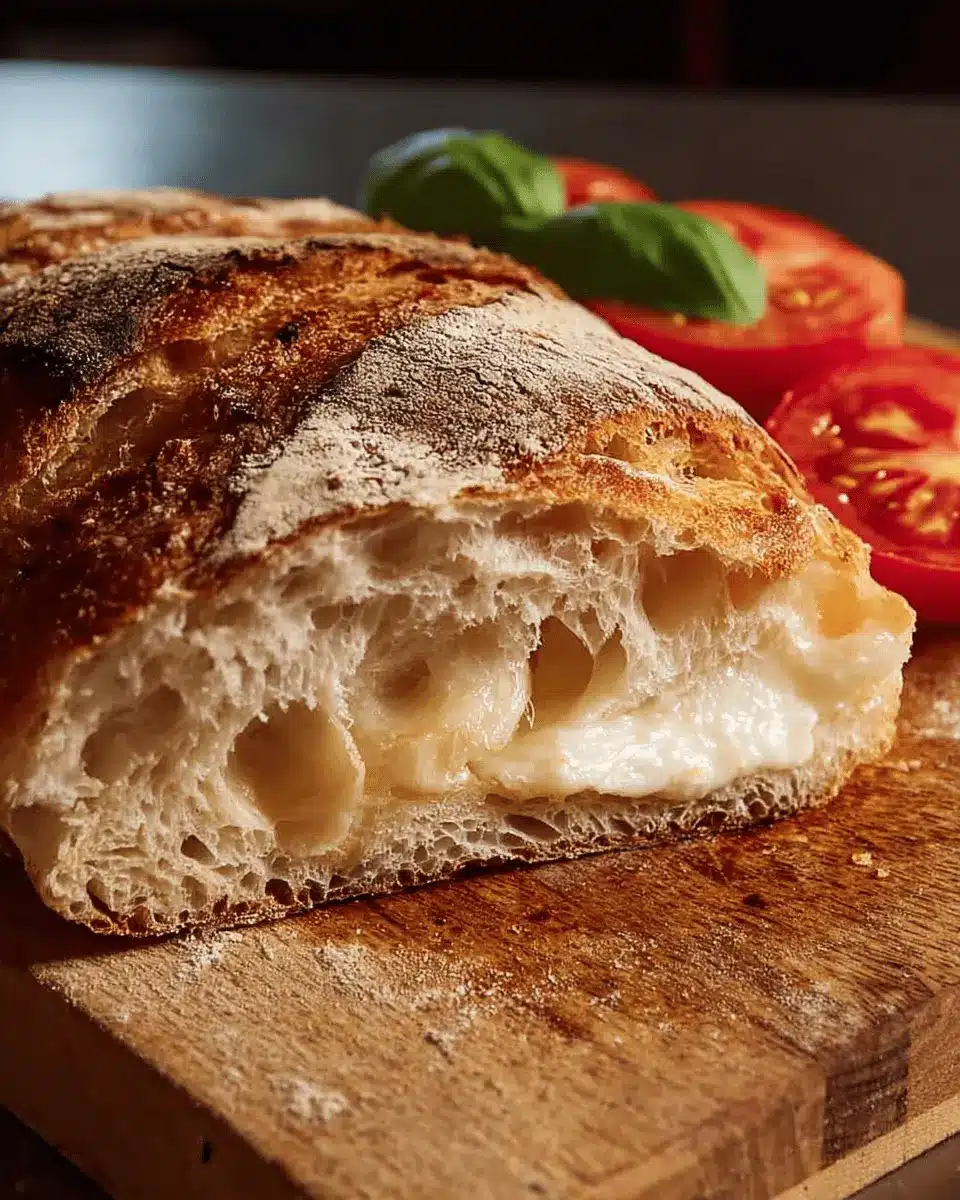
Serving Suggestions for No-Knead Ciabatta Bread
Sandwich Ideas with Ciabatta
Using your no-knead ciabatta bread recipe, you can craft delightful sandwiches that are perfect for lunch or a picnic. Try these combinations:
- Mortadella, Burrata, and Arugula: A classic that offers creamy and peppery flavors.
- Turkey Bacon and Avocado: Crispy turkey bacon paired with fresh avocado brings a nutritious twist.
- Chicken Ham and Spinach: A light option that doesn't skimp on taste, perfect for any meal.
Dipping Options for Ciabatta
Ciabatta’s crusty exterior and airy interior make it ideal for dipping. Consider:
- Extra Virgin Olive Oil: Infused with balsamic vinegar for a zesty touch.
- Herbed Butter: Softened butter mixed with garlic and fresh herbs for a decadent treat.
- Tomato Bruschetta: A fresh topping of diced tomatoes, basil, and olive oil makes the perfect flavorful dip.
Each of these options will enhance the wonderful texture and taste of your bread, making your meals memorable and delicious! For more ideas, check out this guide to bread pairings.
Time Breakdown for No-Knead Ciabatta Bread
Preparation Time
Creating your no-knead ciabatta bread begins with about 15 minutes of hands-on preparation. This includes mixing the dough and letting it rest, ensuring the flour hydrates properly.
Baking Time
Once your dough has proofed and shaped, it only takes about 15 to 20 minutes to bake in the oven. Keep an eye on that gorgeous golden crust!
Total Time
From start to finish, including the overnight fermentation, you're looking at approximately 24 hours. Much of this time is hands-off, allowing for the rich flavors of the ciabatta to develop beautifully. Prepare to enjoy the delicious aroma wafting through your kitchen!
For more tips on timing and techniques, check out this bread baking guide.
With a little patience and anticipation, your fresh ciabatta awaits!
Nutritional Facts for No-Knead Ciabatta Bread
When diving into the world of baking, understanding the nutritional composition of your creations can be quite eye-opening. Here’s a quick overview of the nutritional facts for the delightful no-knead ciabatta bread recipe:
Calories
One serving of ciabatta bread (about 1 slice) contains approximately 150 calories. This makes it a moderately caloric choice, especially when you pair it with your favorite sandwich fillings or spreads.
Protein
In each slice, you can expect to find around 4 grams of protein. While this isn't a protein powerhouse, it can complement a balanced meal when paired with ingredients like turkey bacon or chicken ham.
Sodium
With about 300 milligrams of sodium per slice, it's wise to keep track of your intake, especially if you're watching your sodium levels. Try serving it with fresh veggies or herbs to enhance flavor without adding excess salt.
By knowing these nutritional facts, you can enjoy your no-knead ciabatta bread guilt-free and make informed choices when it comes to your meals! For more detailed nutrition information, consider checking reliable sources like the USDA FoodData Central.
FAQs about No-Knead Ciabatta Bread
Is No-Knead Bread Really Easier?
Absolutely! The appeal of a no-knead ciabatta bread recipe lies in its simplicity. Unlike traditional breads that require extensive kneading, this method mainly involves mixing ingredients and letting time do the work. Let the dough rest, stretch, and fold it a few times—it's that straightforward! The long fermentation not only develops flavor but also reduces the need for manual effort.
Can I Use Whole Wheat Flour?
Yes! While strong white flour typically gives the best results, you can substitute with whole wheat flour. Just note that the texture may differ, and you might need to adjust the hydration. Whole wheat flour absorbs more water, so you may want to add a bit more liquid to maintain that delightfully airy texture.
How Do I Store Leftover Ciabatta?
To keep your leftover ciabatta fresh, wrap it in a clean kitchen towel and store it at room temperature. For longer storage, slice the bread, and place it in a sealable freezer bag. It freezes beautifully and can be toasted directly from the freezer! Enjoying freshly baked ciabatta later is always a treat.
Conclusion on No-Knead Ciabatta Bread
Embrace the beauty of baking with this no-knead ciabatta bread recipe. Not only is it incredibly simple, but it also yields delightful flavors and a crusty exterior. Whether you’re making sandwiches or pairing it with soups, this bread is bound to impress. Happy baking!
NO-Knead Ciabatta Bread Recipe
Equipment
- Large bowl
- fine mesh strainer
- bench scraper
- Pizza stone
Ingredients
- 1⅔ cups lukewarm water between 80°F and 100°F (27°C to 37°C)
- 1½ teaspoon salt
- 2 teaspoon any dry yeast
- 3¼ cups strong flour around 13% protein (plus lots more for dusting)
Instructions
Preparing the dough
- Combine the water, salt, and yeast in a large bowl.
- Add the flour, and mix well using a fork to form a very wet, loose shaggy dough. Cover the bowl, and leave dough for 30 minutes.
- Perform four rounds of 'stretches and folds'. Stretch and fold the dough, rotating the bowl each time. Repeat the process another 3 times, leaving 30 minutes in between each round.
- After the last series of stretch and folds, cover the dough and place it in the fridge overnight.
Shaping the ciabatta
- Dust a work surface generously with flour.
- Prepare two clean dish towels for final proofing by dusting with flour.
- Transfer the dough onto the prepared surface by turning the bowl upside down.
- Tidy up the dough into a square and cut it into four equal portions.
- Transfer each portion of dough to the prepared dish towels and allow to proof for 20 minutes.
Bake the ciabatta
- Preheat the oven with a pizza stone to 450°F (230°C).
- Transfer the dough to parchment paper, flipping them over gently to avoid losing air.
- Bake the 4 loaves in two batches, adding ice cubes to create steam.
- Bake for 15 to 20 minutes or until a deep golden brown.
- Remove from the oven and allow to cool completely before using.



Leave a Reply